
News
10 Ways Massage Helps Relieve Stress: The Science Behind Better Health and Relaxation
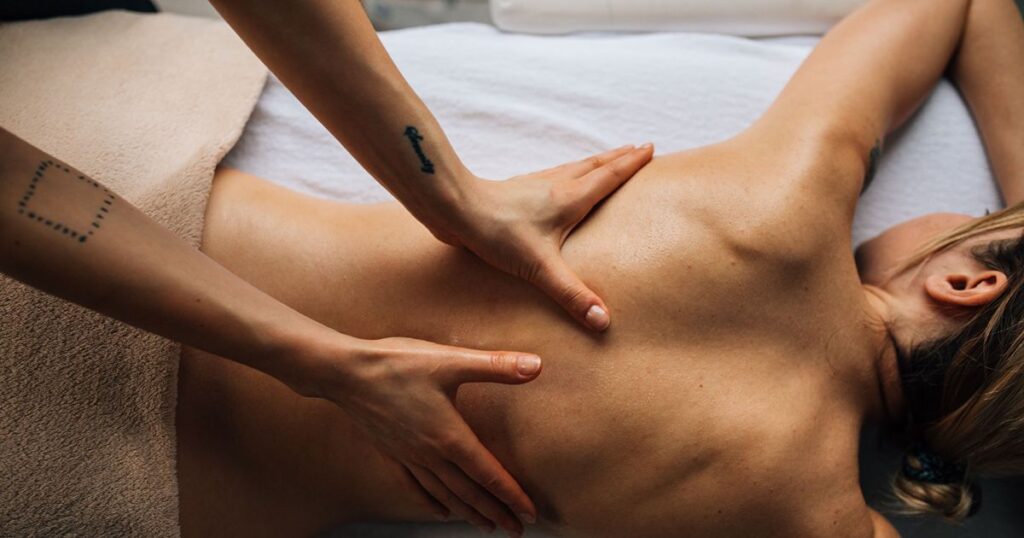
Modern life is faster and more demanding than ever before. Long working hours, endless meetings, traffic congestion, family responsibilities, and constant exposure to digital devices have made stress an unavoidable part of daily life. While a certain amount of stress can motivate us to perform better, chronic stress can negatively affect both physical and mental health.
One of the most effective and natural ways to reduce stress is massage therapy. For centuries, massage has been used to promote relaxation, ease muscle tension, improve circulation, and restore the balance between body and mind. Today, scientific research continues to support what traditional wellness practices have known for generations—massage can play a significant role in stress management.
At Hanoi Home Massage, we bring professional massage services directly to your home, allowing you to experience complete relaxation without leaving your comfortable environment. Whether you need relief after a busy workday or want to improve your overall well-being, our experienced therapists are ready to help.
Understanding Stress and Its Effects on the Body
Stress is your body’s natural response to challenging situations. When you encounter pressure, your nervous system releases hormones such as cortisol and adrenaline.
In small amounts, these hormones help you stay alert. However, when stress becomes chronic, it can lead to numerous health problems, including:
- Persistent muscle tension
- Neck and shoulder pain
- Frequent headaches
- Difficulty sleeping
- Anxiety
- Fatigue
- Poor concentration
- Elevated blood pressure
- Reduced immune function
Over time, unmanaged stress affects productivity, relationships, and overall quality of life. This is why many healthcare professionals recommend incorporating relaxation techniques into a healthy lifestyle.
Massage therapy is one of the safest and most enjoyable methods for managing everyday stress.
How Massage Helps Reduce Stress
Massage works through several mechanisms that benefit both the body and the nervous system.
Professional massage techniques stimulate soft tissues, improve blood circulation, encourage muscle relaxation, and activate the body’s natural relaxation response. Many people report feeling calmer, lighter, and mentally refreshed after a massage session.
Let’s explore the biggest benefits.
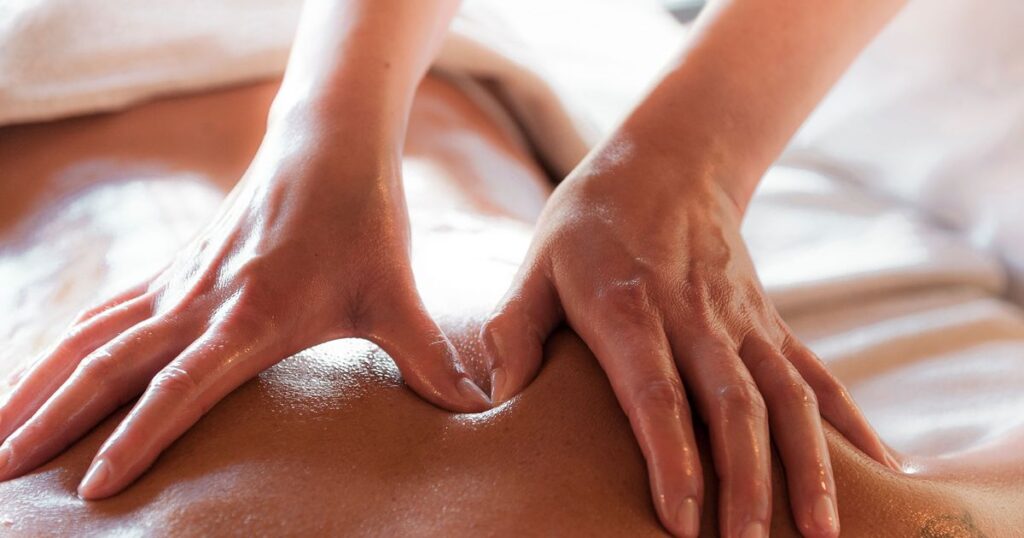
1. Massage Lowers Muscle Tension
One of the first places stress appears is in your muscles.
Common areas include:
- Neck
- Shoulders
- Upper back
- Lower back
- Legs
After sitting at a desk all day or working under pressure, muscles become tight and painful.
Massage gently loosens these muscles by improving blood flow and encouraging relaxation. Reduced muscle tension often leads to immediate physical comfort and greater mobility.
Many office workers schedule weekly massage sessions specifically to relieve chronic neck and shoulder stiffness.
2. Massage Encourages Deep Relaxation
Stress keeps the body in a constant “fight or flight” state.
Massage encourages the opposite response—the body’s natural “rest and digest” mode.
During a massage session:
- Heart rate gradually slows
- Breathing becomes deeper
- Muscles soften
- The mind becomes calmer
This shift allows your body to recover from prolonged periods of tension.
Many clients describe the experience as feeling like “resetting” both body and mind.
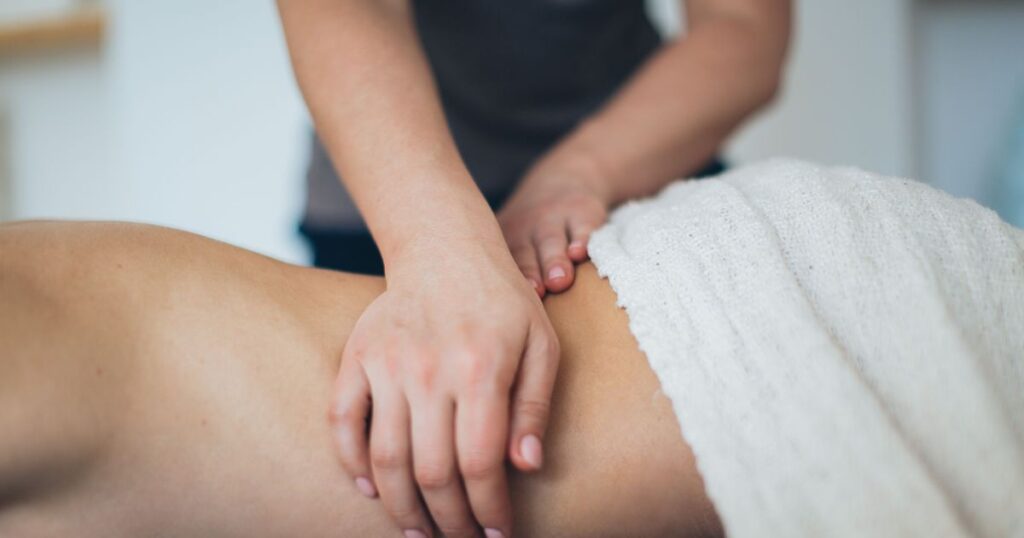
3. Better Sleep Quality
Poor sleep and stress often create a vicious cycle.
Stress makes it difficult to fall asleep.
Lack of sleep increases stress levels the following day.
Massage can help break this cycle by promoting physical relaxation before bedtime.
People who receive regular massage often report:
- Falling asleep faster
- Sleeping more deeply
- Waking up feeling refreshed
- Less nighttime restlessness
Good sleep is essential for emotional resilience and overall health.
4. Improved Blood Circulation
Healthy circulation is essential for delivering oxygen and nutrients throughout the body.
Massage techniques stimulate circulation, allowing blood to flow more efficiently through muscles and soft tissues.
Better circulation may help:
- Reduce stiffness
- Ease muscle soreness
- Support recovery after physical activity
- Improve overall comfort
This is one reason why athletes frequently include massage as part of their recovery routine.
5. Reduced Mental Fatigue
Stress doesn’t only affect the body.
Mental exhaustion can be equally overwhelming.
When your brain is constantly processing emails, deadlines, meetings, and responsibilities, it rarely has an opportunity to fully relax.
Massage provides a quiet period without distractions.
The peaceful environment, combined with rhythmic massage techniques, helps many people temporarily disconnect from daily worries.
After the session, clients often experience:
- Better focus
- Increased mental clarity
- Improved mood
- Renewed enter
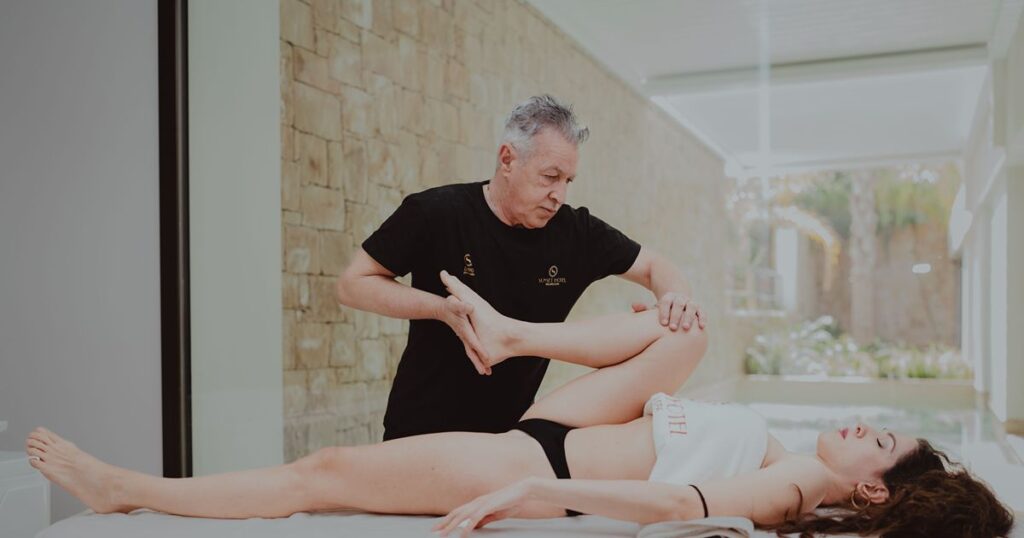
6. Supports Emotional Well-Being
Physical relaxation often leads to emotional relaxation.
When muscle tension decreases and breathing becomes slower, many people naturally experience reduced feelings of anxiety and emotional overload.
Massage also provides valuable personal time dedicated entirely to self-care.
In today’s busy world, taking even one hour to focus on your own well-being can significantly improve emotional balance.
Many clients consider massage not as a luxury but as an important part of maintaining a healthy lifestyle.
Why Home Massage Makes Stress Relief Even Better
While visiting a spa can be enjoyable, home massage services offer additional advantages that enhance relaxation.
With Hanoi Home Massage, you don’t have to:
- Drive through traffic
- Search for parking
- Wait in reception
- Travel home after treatment
Instead, professional therapists arrive at your location with the necessary equipment.
You can simply relax before, during, and after your massage without interrupting the calming experience.
This convenience makes home massage especially popular among:
- Busy professionals
- Business travelers
- Families
- Seniors
- Remote workers
- People recovering from physical fatigue
For many clients, staying in a familiar environment allows them to relax even more deeply than they would in a traditional spa.
