
News
Relaxation Treatments Near Hanoi Old Quarter: 9 Ways to Unwind After Exploring the City
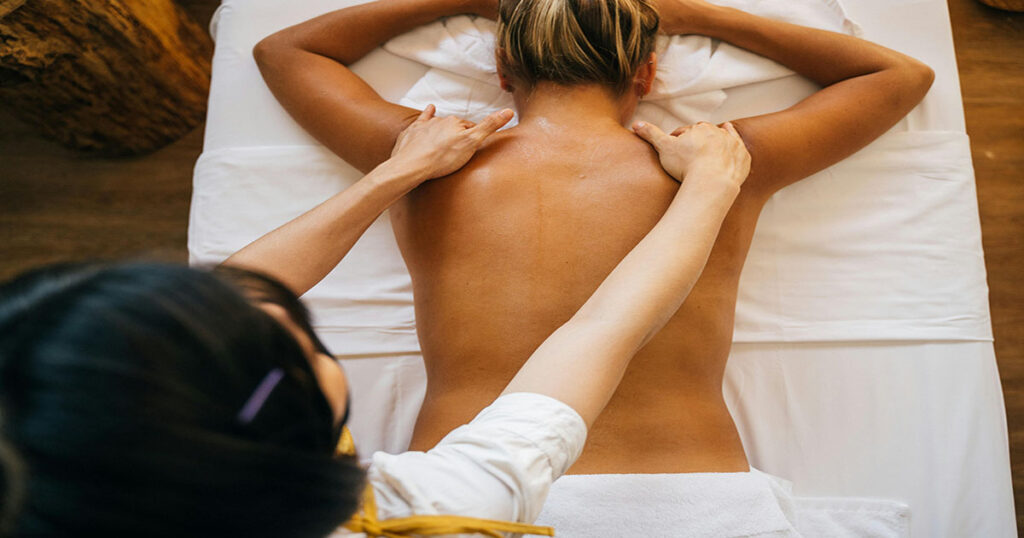
Hanoi Old Quarter is one of the most exciting areas of the city for travelers. Its narrow streets, historic buildings, local restaurants, cafés, markets and lively atmosphere make it an ideal place to explore on foot. However, spending hours walking around the city can also leave your feet, legs, shoulders and back feeling tired.
After a long day of sightseeing, many travelers look for relaxation treatments near Hanoi Old Quarter that can help them slow down, release everyday tension and enjoy a more comfortable evening.
Fortunately, visitors have several options, ranging from traditional Vietnamese massage and foot massage to aromatherapy and convenient in-room treatments. Choosing the right treatment depends on your schedule, preferred level of pressure and where you want to relax.
This guide explores 9 popular relaxation treatments and explains how they can fit into a Hanoi travel itinerary.
1. Traditional Vietnamese Massage
Traditional Vietnamese massage is one of the most popular choices for travelers who want to relax after exploring Hanoi.
A typical session may combine moderate pressure, rhythmic movements and techniques focused on areas that commonly feel tired, such as the shoulders, back, arms and legs.
For tourists spending most of the day walking through the Old Quarter, a full-body treatment can be particularly appealing. Instead of focusing only on one area, the session allows the body to relax more completely.
When booking a traditional massage, it is useful to communicate your preferred pressure level before the session begins. Some travelers prefer gentle movements for relaxation, while others enjoy firmer pressure around areas of muscular tension.
2. Foot Massage After a Long Day of Walking
Hanoi Old Quarter is best experienced on foot. Visitors can easily spend several hours walking between cafés, restaurants, markets, historical attractions and small local shops.
After that much walking, the feet can become one of the most tired parts of the body.
A foot massage is therefore a practical relaxation treatment for travelers who have spent the entire day sightseeing.
The treatment generally focuses on the feet and lower legs. Depending on the service, the therapist may also work around the ankles and calves.
A foot massage can be a good choice when you have limited time but still want to enjoy a relaxing treatment before dinner or before returning to your hotel.
3. Aromatherapy Massage
Travelers who prefer a calm and sensory experience may enjoy aromatherapy massage.
This type of massage commonly combines gentle massage movements with aromatic oils. The combination creates a relaxing atmosphere that can be especially enjoyable after a busy day in the city.
Aromatherapy massage may be suitable for people who prefer light to moderate pressure rather than a strong massage technique.
The environment also matters. A quiet room, comfortable temperature, soft lighting and relaxing music can make the experience more enjoyable.
If you are staying in or around the Old Quarter, an aromatherapy treatment can be an easy way to transition from an active day of sightseeing to a slower evening.
4. Full-Body Relaxation Massage
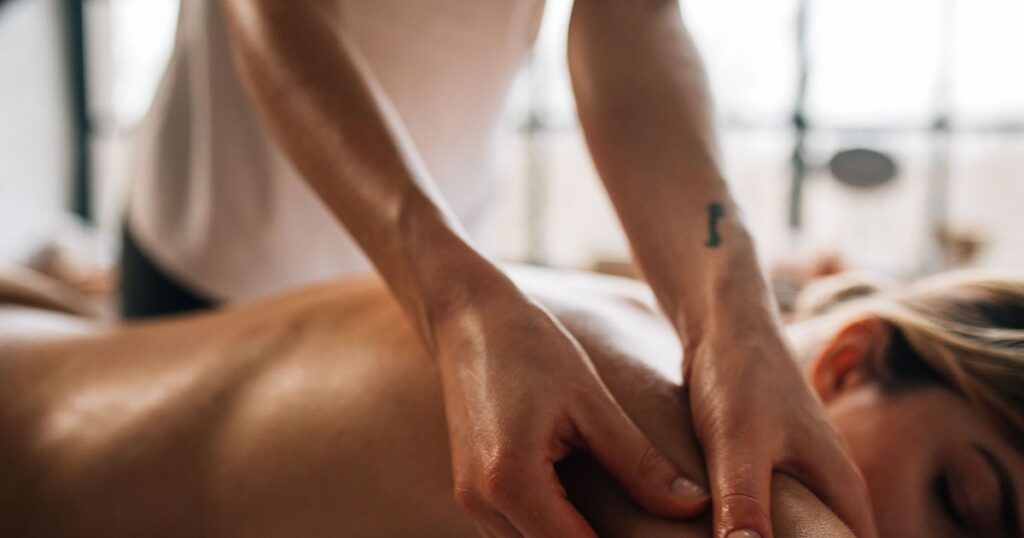
For travelers who want to relax from head to toe, a full-body relaxation massage is another popular option.
Rather than concentrating on one specific area, the session can cover several major muscle groups, including the back, shoulders, arms, legs and feet.
This can be particularly useful after a full day of walking, carrying luggage or sitting during transportation.
The length of the session can also be adjusted according to your itinerary. A shorter treatment may fit between dinner and evening activities, while a longer session can be more suitable when you have a free evening.
Before beginning, tell the therapist about any areas that feel particularly tired or sensitive.
5. Deep Tissue Massage for Muscular Tension
Not every traveler is looking for an extremely gentle treatment. Some people prefer deeper pressure, especially when they experience muscular tightness after travel or physical activity.
Deep tissue massage generally uses firmer pressure and slower movements to target deeper layers of muscle and connective tissue.
It may appeal to travelers who exercise regularly, walk extensively or spend long periods sitting during flights and transportation.
However, stronger pressure is not automatically better. The treatment should remain within a comfortable range. If the pressure feels painful or excessive, communicate with the therapist and ask for an adjustment.
For visitors who are unsure which style to choose, discussing their preferences before the massage can help identify a more suitable option.
6. Head, Neck and Shoulder Relaxation
Long flights, smartphones, laptops and sightseeing can contribute to tension around the neck and shoulders.
Travelers who spend a lot of time looking down at their phones or carrying backpacks may especially appreciate a treatment focused on the upper body.
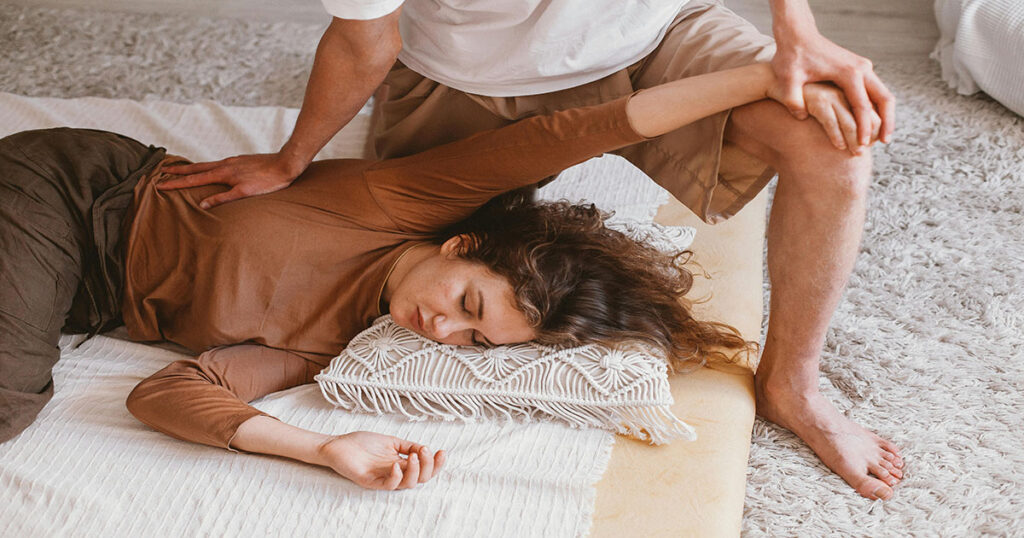
A head, neck and shoulder massage can provide a more targeted experience than a full-body session.
It can also be convenient for business travelers staying in Hanoi who have limited free time but want to relax after meetings.
When receiving any massage around the neck or head, it is important to communicate clearly about pressure and comfort.
7. In-Room Massage at Your Hotel
One of the biggest challenges after a long day of sightseeing is having to travel somewhere else for a treatment.
For hotel guests, in-room massage in Hanoi provides an alternative.
Instead of visiting a spa, travelers can arrange for a professional therapist to come to their hotel room at a scheduled time, depending on service availability and hotel policies.
This can be especially convenient for people who:
- Feel tired after walking all day
- Prefer privacy
- Do not want to travel again at night
- Have young children or travel companions
- Want to relax before sleeping
- Have a busy travel schedule
After the treatment, you can simply remain in your room, drink some water and continue your evening without another journey through the city.
If you are staying at a hotel in or around Hanoi Old Quarter, confirm the hotel’s policy regarding outside service providers before arranging an in-room treatment.
8. Massage at Your Apartment
Apartments and serviced apartments are increasingly popular among long-stay travelers, digital nomads and business visitors.
For these guests, an at-home or apartment massage can offer a similar level of convenience to an in-room hotel treatment.
The main advantage is flexibility. You can arrange the session around your own schedule instead of spending time traveling to a spa.
This can be particularly useful when you return to your accommodation late in the afternoon after exploring Hanoi.
A comfortable private environment can also make it easier to relax because you do not have to leave the accommodation immediately after the treatment.
As always, check building rules and any reception requirements before arranging an outside therapist.
9. Relaxation Massage Before Bed
For travelers who prefer evening activities, a relaxing massage before bedtime can be an appealing way to end the day.
A full day in Hanoi may involve walking, sightseeing, eating, shopping and navigating busy streets. By the evening, both the body and mind may simply need a quieter environment.
A gentle massage can become part of a simple nighttime routine.
After the treatment, you can keep the evening calm by drinking water, avoiding excessive alcohol and giving yourself time to rest.
If your main goal is relaxation rather than intensive muscle work, tell the therapist that you prefer a gentle and calming session.
How to Choose Relaxation Treatments Near Hanoi Old Quarter
With so many massage styles available, choosing the right treatment can initially seem difficult.
Start by considering your main reason for booking.
If your feet are tired from sightseeing, a foot massage may be sufficient. If your entire body feels tired, a full-body relaxation massage may be more suitable.
If you prefer a sensory experience, aromatherapy may be a good option. Travelers who regularly exercise or experience muscular tightness may prefer deeper pressure.
Your schedule is another important factor.
A short foot or shoulder treatment can fit easily into a busy itinerary. A longer full-body treatment is better when you have more free time.
Finally, consider the location.
If you are already near the Old Quarter, visiting a nearby treatment location can be convenient. If you are exhausted or staying at a hotel, an in-room massage can save travel time.
What to Do Before Your Massage
A little preparation can make the experience more comfortable.
Avoid eating a very heavy meal immediately before the session. Drink enough water throughout the day, especially after spending several hours walking outdoors.
Wear comfortable clothing and arrive on time if you are visiting a massage location.
Most importantly, communicate your preferences.
Tell the therapist:
- Whether you prefer light, medium or firm pressure
- Which areas feel tired
- If there are areas you do not want massaged
- Whether you prefer a quiet environment
- If you have any relevant injuries or physical concerns
Good communication helps create a more personalized experience.
What to Do After a Relaxation Treatment
After your massage, give yourself some time to slow down.
Drink water and avoid immediately rushing into strenuous physical activity. If possible, keep the rest of your evening relatively relaxed.
Travelers staying at hotels can take advantage of the convenience of returning directly to their room.
If your massage takes place at your accommodation, you can continue resting without additional transportation.
Remember that massage is primarily a relaxation and wellness service. If you experience unusual or persistent pain, dizziness or other concerning symptoms, seek appropriate medical advice rather than relying on massage alone.
Why Choose an At-Home Massage in Hanoi?
For many tourists, convenience is just as important as the treatment itself.
An at-home massage in Hanoi allows travelers to enjoy a relaxing session without spending additional time navigating traffic or searching for a nearby location.
This can be especially valuable after a busy sightseeing schedule.
Hanoi Home Massage provides information for travelers interested in convenient massage services at hotels, apartments and other suitable accommodations in Hanoi.
You can arrange your preferred time and discuss your massage preferences when making a booking.
For travelers who are unfamiliar with Hanoi, having a convenient service option can make planning the evening much easier.
Relax and Recharge During Your Hanoi Trip
Travel is supposed to be enjoyable, but exploring a new city can be physically demanding. Walking long distances, carrying bags, changing time zones and maintaining a busy itinerary can leave travelers feeling tired.
Taking time for relaxation does not mean missing out on Hanoi. In many cases, it can actually help you enjoy the rest of your trip more comfortably.
Whether you choose a traditional Vietnamese massage, foot massage, aromatherapy, full-body treatment or convenient in-room service, the most important thing is to choose an option that matches your needs and comfort level.
If you are searching for relaxation treatments near Hanoi Old Quarter, consider booking a massage at a convenient time after your sightseeing activities.
For booking and service information:
Hanoi Home Massage
Hotline / Zalo: 0877 363 626
Website: http://hanoihomemassage.com
Take a break from the busy streets, give your body some time to relax, and make your Hanoi experience more comfortable from beginning to end.
