
News
10 Benefits of Massage Therapy for Office Workers Home Massage Hanoi

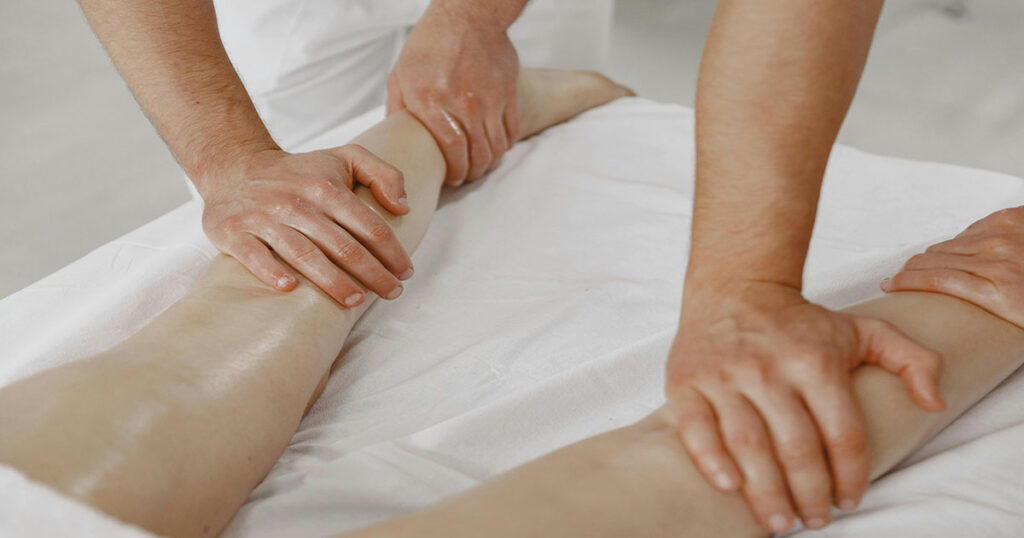
Modern office life often means spending eight or more hours a day sitting at a desk, staring at a computer screen, and handling demanding workloads. While technology has made work more efficient, it has also contributed to physical discomfort, mental fatigue, and chronic stress.
For many professionals, massage therapy has become more than just a luxury—it is an effective way to support overall wellness, improve productivity, and maintain a healthier work-life balance. Whether you work from home, in a corporate office, or travel frequently for business, regular massage therapy can help your body recover from the daily demands of sedentary work.
This guide explains why office workers benefit from massage therapy, which techniques are most effective, and how convenient in-home massage services can fit into a busy schedule.
Why Office Workers Experience Muscle Pain
Office jobs often require prolonged sitting and repetitive movements that place continuous stress on muscles and joints.
Common causes include:
- Sitting in one position for several hours
- Poor workstation ergonomics
- Constant typing and mouse use
- Looking down at laptops or phones
- Mental stress and work pressure
- Lack of physical activity
Over time, these habits may contribute to:
- Neck stiffness
- Shoulder tension
- Upper and lower back pain
- Wrist discomfort
- Tight hips
- Headaches caused by muscle tension
- Poor posture
Ignoring these symptoms can reduce work performance and affect overall quality of life.
How Massage Therapy Helps Office Workers
Massage therapy works by manipulating muscles and soft tissues to encourage relaxation and improve circulation.
Some of the most significant benefits include:
1. Reduces Neck and Shoulder Tension
The neck and shoulders are among the first areas affected by long hours at a desk.
Professional massage helps:
- Release muscle knots
- Reduce stiffness
- Improve mobility
- Ease tension headphone
2. Improves Blood Circulation
Sitting for extended periods slows circulation.
Better circulation helps:
- Deliver oxygen to muscles
- Reduce swelling
- Improve recovery
- Increase energy levels
3. Relieves Lower Back Pain
Lower back discomfort is one of the most common complaints among office professionals.
Massage therapy helps relax tight muscles supporting the spine while reducing pressure caused by prolonged sitting.
4. Reduces Stress
Work deadlines, meetings, and constant digital communication increase stress levels.
Massage encourages relaxation by helping the body shift into a calmer state, allowing both body and mind to unwind.
Many people report feeling refreshed, more focused, and mentally clear after a session.

5. Improves Sleep Quality
Stress and muscle tension often make it difficult to sleep well.
Relaxing massage can help prepare the body for restful sleep, allowing better recovery before the next workday.
6. Supports Better Posture
Massage cannot correct posture alone, but it can reduce muscle tightness that contributes to poor alignment.
Combined with stretching and ergonomic adjustments, massage supports healthier posture over time.
Best Types of Massage for Office Workers
Different massage techniques provide different benefits.
Swedish Massage
Ideal for professionals seeking relaxation.
Benefits include:
- Gentle pressure
- Improved circulation
- Reduced stress
- Better sleep
Deep Tissue Massage
Suitable for chronic muscle tension.
This technique targets deeper muscle layers to relieve:
- Persistent neck pain
- Tight shoulders
- Lower back discomfort
Thai Massage
Thai massage combines stretching with pressure techniques.
It helps improve:
- Flexibility
- Joint mobility
- Energy level

Aromatherapy Massage
Essential oils combined with massage create a calming environment that supports relaxation and emotional well-being.
How Often Should Office Workers Get Massage?
The ideal schedule depends on your workload and physical condition.
General recommendations include:
- Once every two weeks for preventive care
- Weekly sessions during periods of heavy workload
- Monthly maintenance for ongoing wellness
Regular sessions generally provide greater long-term benefits than occasional treatments.
Massage at Home: The Most Convenient Option
Busy professionals often struggle to find time to visit a spa.
Home massage services eliminate travel time and allow you to relax immediately after your session.
Advantages include:
- No commuting
- Flexible scheduling
- Comfortable familiar environment
- Greater privacy
- More time-efficient
According to HANOIHOME MASSAGE, therapists provide professional massage services directly to homes, apartments, hotels, and office locations with flexible booking available throughout the day.
What to Expect During a Home Massage Session
A typical appointment includes:
Consultation
The therapist discusses:
- Areas of discomfort
- Preferred pressure
- Medical considerations
- Massage goals
Preparation
The therapist prepares portable equipment and creates a comfortable massage space.
Treatment
Depending on your selected therapy, the session may last:
- 60 minutes
- 75 minutes
- 90 minutes
- 120 minutes
These treatment durations are available through HANOIHOME MASSAGE with transparent pricing and flexible scheduling.
Aftercare
Following the massage, clients are encouraged to:
- Drink water
- Stretch gently
- Avoid strenuous exercise immediately afterward
- Allow time to rest
Tips to Prevent Office-Related Muscle Pain
Massage works best alongside healthy daily habits.
Try to:
- Stand every 30–60 minutes
- Stretch your neck and shoulders regularly
- Adjust your chair and monitor height
- Keep both feet flat on the floor
- Stay hydrated
- Exercise several times each week
These simple habits can significantly reduce muscle strain.
Why Choose HANOIHOME MASSAGE?
HANOIHOME MASSAGE offers professional in-home massage services designed for busy lifestyles.
Benefits include:
- Professional therapists
- Easy online booking
- Transparent pricing
- Home, hotel, apartment, and office service
- Flexible appointment times
- Available throughout Hanoi
Customers can book online, send a message, or call directly for immediate assistance. The company states that appointments can be scheduled in advance or arranged with an estimated therapist arrival time of approximately 30–60 minutes after confirmation, depending on availability and location.
Frequently Asked Questions
Is massage therapy suitable for office workers?
Yes. Massage therapy can help relieve common muscle tension associated with prolonged sitting and repetitive desk work.
Can I book a massage after office hours?
Yes. HANOIHOME MASSAGE offers flexible scheduling, allowing customers to choose a convenient appointment time.
Do therapists bring their own equipment?
Yes. Professional therapists arrive with the necessary portable massage equipment required for the session.
Is home massage private?
Yes. Sessions take place in your own home, apartment, hotel, or office, providing a comfortable and private environment.
Final Thoughts
Office work places continuous demands on both the body and mind. Over time, muscle tension, stress, and fatigue can affect productivity, comfort, and overall health.
Regular massage therapy offers a practical way to reduce muscle stiffness, improve circulation, promote relaxation, and support long-term wellness. Combined with proper posture, regular movement, and healthy habits, massage can become an important part of a balanced lifestyle.
If you’re looking for professional home massage services in Hanoi, HANOIHOME MASSAGE provides convenient treatments delivered directly to your home, hotel, apartment, or office.
Website: http://hanoihomemassage.com
Hotline: 0877 363 626
Book your appointment today and enjoy professional massage therapy without leaving your home or workplace.
