
News
10 Natural Ways to Manage Work Stress Naturally and Improve Your Well-Being
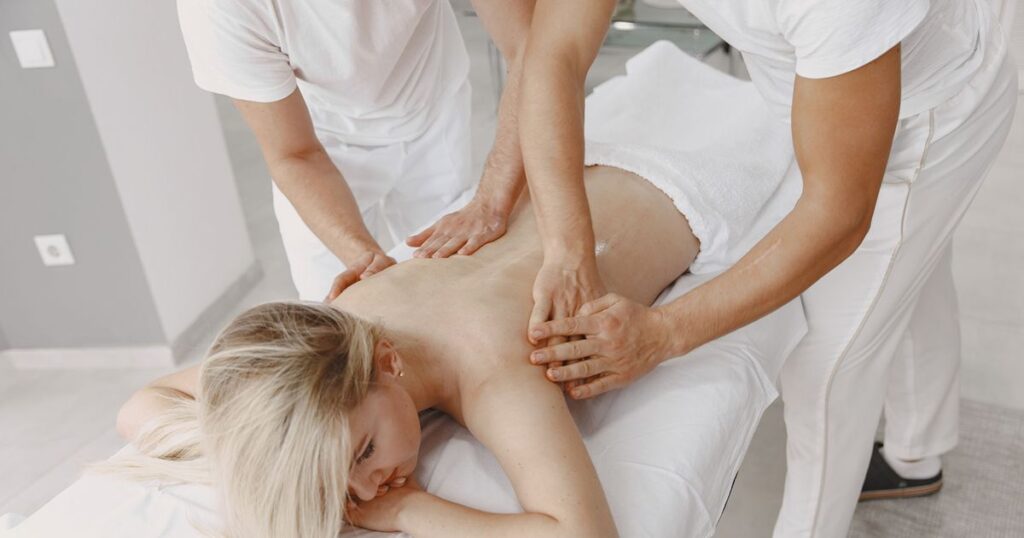
Modern work life is more demanding than ever. Tight deadlines, endless meetings, long hours in front of a computer, and the pressure to perform can gradually affect both physical and mental health. While a certain level of stress can motivate productivity, chronic workplace stress often leads to fatigue, poor sleep, muscle tension, anxiety, and even burnout.
The good news is that you don’t always need medication or expensive wellness retreats to feel better. Natural stress management techniques—including regular massage therapy, quality sleep, exercise, and mindfulness—can significantly improve your overall well-being. Research suggests that physical relaxation methods such as massage therapy and yoga can reduce occupational stress, with massage showing measurable benefits compared with no intervention.
If you’re looking for professional relaxation in Hanoi, Hanoi Home Massage provides convenient home massage services throughout the city.
Website: http://hanoihomemassage.com
Hotline: 0877 363 626
Why Work Stress Is Becoming More Common
Today’s professionals often experience:
- Heavy workloads
- Constant digital communication
- Long sitting hours
- Poor work-life balance
- Tight deadlines
- Sleep deprivation
- Lack of physical activity
Over time, these factors increase cortisol—the body’s primary stress hormone—which may contribute to muscle stiffness, headaches, reduced concentration, and emotional exhaustion. Chronic work stress can affect both physical and mental health if not managed effectively.
Signs That Work Stress Is Affecting Your Health
Many people ignore early warning signs until burnout develops.
Common symptoms include:
- Neck and shoulder pain
- Back stiffness
- Frequent headaches
- Difficulty sleeping
- Low motivation
- Irritability
- Poor concentration
- Constant fatigue
- Anxiety before work
- Reduced productivity
Recognizing these symptoms early allows you to take preventive action before stress becomes overwhelming.
1. Prioritize Quality Sleep
Sleep is one of the most effective natural recovery tools.
During deep sleep, your body:
- Repairs muscle tissue
- Restores energy
- Regulates stress hormones
- Improves emotional resilience
- Strengthens immune function
Experts recommend that if you’re significantly sleep-deprived, improving sleep should take priority because insufficient sleep reduces your ability to cope with stress.
Tips:
- Maintain a regular bedtime
- Avoid screens before sleeping
- Keep your bedroom cool and quiet
- Reduce caffeine after lunch
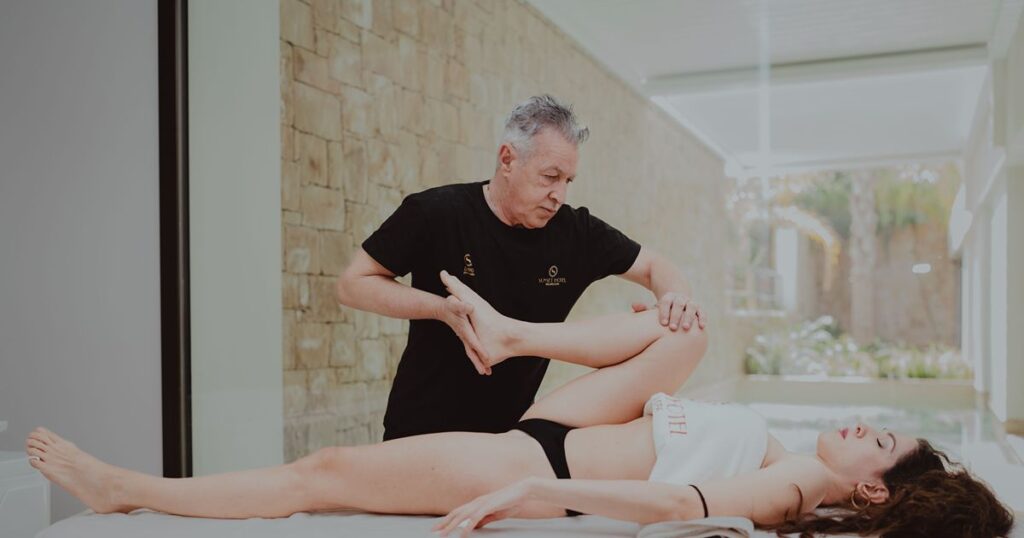
2. Exercise Regularly
Physical activity naturally reduces stress hormones while stimulating endorphins—the body’s natural mood boosters.
You don’t need intense workouts.
Try:
- Walking
- Swimming
- Cycling
- Yoga
- Stretching
- Light strength training
Even 30 minutes of movement most days can improve mood, sleep quality, and resilience to workplace stress.
3. Experience Professional Massage Therapy
Massage therapy is one of the most enjoyable ways to relieve work-related stress.
Benefits include:
- Relaxed muscles
- Reduced neck and shoulder tension
- Better circulation
- Improved flexibility
- Lower stress levels
- Better sleep
- Greater relaxation
Studies have found that massage therapy can reduce occupational stress, and workplace massage has also been associated with short-term reductions in blood pressure and improved relaxation.
For busy professionals, Hanoi Home Massage offers home massage services so you can relax without traveling across the city.

4. Take Short Breaks During Work
Many office workers stay seated for hours without moving.
Instead:
- Stand every hour
- Stretch your shoulders
- Walk for five minutes
- Drink water
- Rest your eyes
Small breaks improve circulation and reduce physical tension.
5. Practice Deep Breathing
Breathing exercises calm the nervous system within minutes.
Try this simple method:
- Inhale for four seconds.
- Hold for four seconds.
- Exhale for six seconds.
- Repeat for five minutes.
Slow breathing can reduce feelings of stress and anxiety and is easy to incorporate into the workday.
6. Eat Balanced Meals
Nutrition directly affects your mood and energy.
Include:
- Fresh vegetables
- Fruits
- Lean protein
- Whole grains
- Healthy fats
- Plenty of water
Limit:
- Sugary drinks
- Excess caffeine
- Processed snacks
Stable blood sugar levels help maintain focus throughout the day.

7. Improve Your Workspace
A comfortable workspace reduces physical strain.
Simple improvements include:
- Adjustable chair
- Proper monitor height
- Ergonomic keyboard
- Good lighting
- Organized desk
Better posture reduces muscle tension that often contributes to stress.
8. Set Healthy Work Boundaries
Many professionals remain connected long after work ends.
Consider:
- Turning off notifications after work
- Avoiding unnecessary overtime
- Taking lunch breaks
- Scheduling vacation days
- Learning to say “no” when appropriate
Healthy boundaries support long-term productivity and help prevent burnout.
9. Stay Connected With Others
Talking with supportive friends, family, or colleagues can ease emotional pressure.
Healthy relationships:
- Reduce loneliness
- Improve emotional resilience
- Offer practical advice
- Create a sense of belonging
Don’t hesitate to seek professional mental health support if stress becomes overwhelming or persistent.
10. Schedule Regular Relaxation Sessions
Stress management should become part of your routine rather than waiting until exhaustion sets in.
A monthly or biweekly massage session can help:
- Release muscle tension
- Improve circulation
- Promote deeper relaxation
- Support better sleep
- Leave you feeling refreshed for work
Many professionals choose home massage because it saves travel time and allows them to relax in a familiar environment immediately after treatment.
Why Choose Hanoi Home Massage?
If your busy schedule leaves little time for self-care, Hanoi Home Massage provides professional massage services directly at your home, apartment, or hotel.
Professional Therapists
Experienced therapists provide personalized treatments based on your preferences and areas of tension.
Home Convenience
No traffic.
No waiting.
No commuting after your massage.
Simply relax in your own space.
Flexible Scheduling
Appointments are available throughout the day, making it easy to fit relaxation into your schedule.
Comfortable Environment
Enjoy your massage in the privacy and comfort of your own home.
Simple Daily Stress Management Routine
Here’s an easy routine to follow:
Morning
- Stretch for 10 minutes
- Eat a healthy breakfast
- Set realistic priorities
During Work
- Take hourly movement breaks
- Stay hydrated
- Practice deep breathing
Evening
- Exercise or walk
- Reduce screen time
- Enjoy a relaxing massage when needed
- Sleep at a consistent time
Small daily habits often produce lasting improvements in stress management.
Frequently Asked Questions
How often should I get a massage for work stress?
Many people benefit from a massage every two to four weeks, although the ideal frequency depends on individual needs and physical activity.
Can massage replace medical treatment?
No. Massage is a complementary wellness practice and should not replace medical evaluation or treatment for serious physical or mental health conditions.
Is home massage convenient for office workers?
Yes. Home massage eliminates travel time, allowing you to relax immediately after your session.
Final Thoughts
Work stress is an unavoidable part of modern life, but it doesn’t have to control your health. By combining healthy sleep, regular exercise, mindful breathing, balanced nutrition, and professional massage therapy, you can naturally reduce stress and improve both your physical and mental well-being.
If you’re ready to unwind after a demanding day, Hanoi Home Massage offers professional home massage services designed to help you relax in the comfort of your own home.
Website: http://hanoihomemassage.com
Book your appointment today
Hotline: 0877 363 626
