
News
How Massage Helps Reduce Stress: 10 Proven Benefits for Your Mind and Body
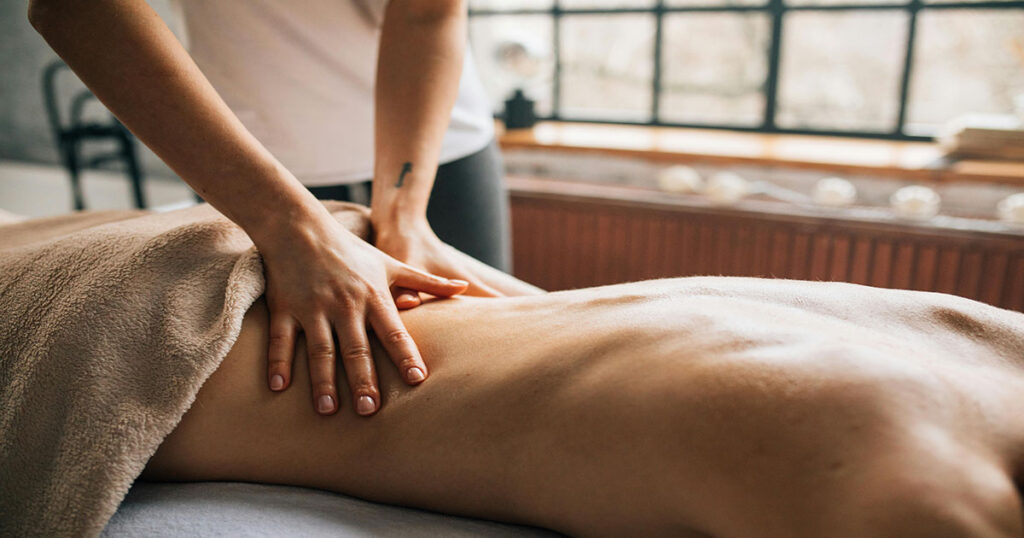
Modern life is filled with deadlines, responsibilities, long working hours, and constant digital distractions. Over time, these daily pressures can lead to chronic stress, affecting both physical and mental health. While exercise, meditation, and healthy sleep are effective stress-management techniques, massage therapy has become one of the most natural and enjoyable ways to relieve tension and restore balance.
But how does massage help reduce stress? Is it simply about feeling relaxed for an hour, or are there real physiological benefits behind it?
In this article, we’ll explore the science behind massage therapy, its impact on stress hormones, and why regular massage can become an essential part of a healthier lifestyle.
What Is Stress?
Stress is the body’s natural response to challenges or demands. When you experience stress, your brain signals the release of hormones such as cortisol and adrenaline, preparing your body for a “fight or flight” response.
Short-term stress can be beneficial in certain situations, helping you stay alert and focused. However, chronic stress may contribute to:
- Muscle tension
- Neck and shoulder pain
- Headaches
- Fatigue
- Poor sleep
- Anxiety
- Reduced concentration
- Lower immune function
Managing stress before it becomes chronic is essential for maintaining overall well-being.
How Massage Helps Reduce Stress
Massage therapy works by combining physical touch with muscle manipulation to encourage relaxation throughout the body. Research suggests that massage may activate the parasympathetic nervous system—the body’s “rest and digest” mode—while reducing the stress response associated with elevated cortisol levels. It may also support the release of neurotransmitters linked to relaxation and positive mood.
Let’s look at the biggest benefits in more detail.
1. Lowers Stress Hormones
One of the most important benefits of massage is its ability to help reduce cortisol, commonly known as the stress hormone.
When cortisol remains elevated for long periods, it can contribute to:
- Anxiety
- Sleep disturbances
- Muscle tightness
- Fatigue
- Weakened immune response
Massage encourages the body to relax, helping shift it away from the heightened stress response. Studies have also found that massage can increase serotonin and dopamine, chemicals associated with improved mood and emotional well-being.
2. Relieves Muscle Tension
Stress doesn’t only affect your mind—it also affects your muscles.
Many people unconsciously tighten their:
- Neck
- Shoulders
- Upper back
- Lower back
- Jaw
This muscle tension often leads to discomfort, stiffness, and even chronic pain.
Massage techniques gently loosen tight muscles, improve flexibility, and restore normal movement, making your body feel lighter and more comfortable.
3. Improves Blood Circulation
Healthy circulation delivers oxygen and nutrients throughout the body.
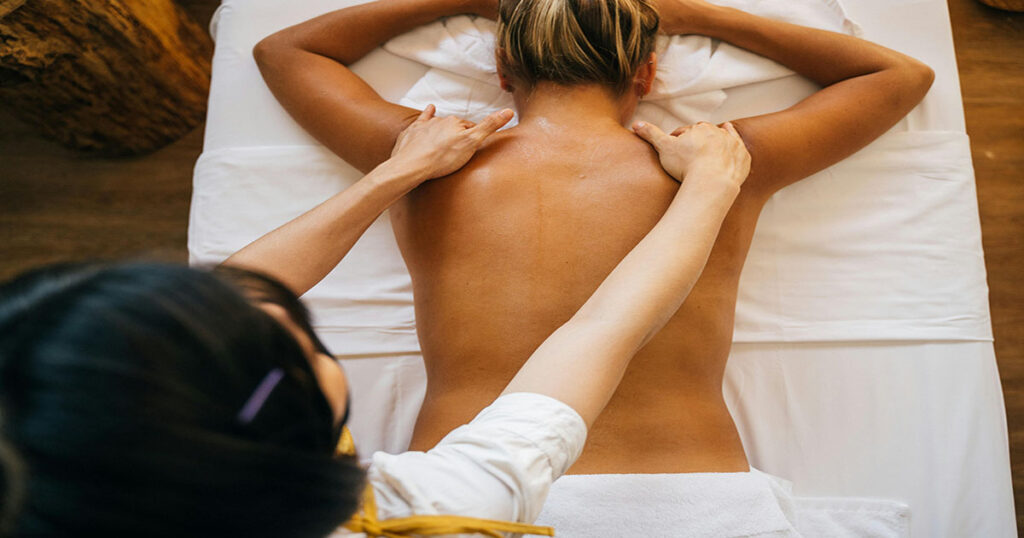
Massage stimulates blood flow by applying pressure to muscles and soft tissues, helping to:
- Improve oxygen delivery
- Remove metabolic waste
- Support muscle recovery
- Reduce stiffness
Better circulation also contributes to an overall feeling of relaxation and increased energy.
4. Encourages Better Sleep
Stress and poor sleep often create a vicious cycle.
When you’re stressed, it becomes harder to fall asleep. Lack of sleep then increases stress levels the following day.
Massage promotes relaxation before bedtime, helping many people experience:
- Faster sleep onset
- Deeper sleep
- Better sleep quality
- Reduced nighttime restlessness
Improved sleep is one of the reasons many clients schedule regular evening massage sessions.
5. Reduces Anxiety
Massage therapy isn’t only about relieving physical pain.
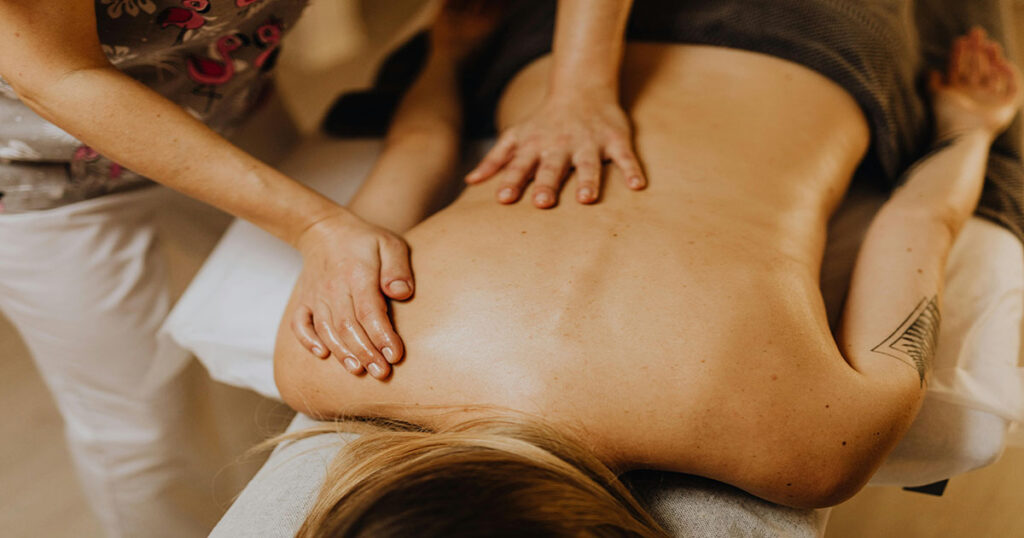
The calming environment, therapeutic touch, and rhythmic massage movements help quiet an overactive mind.
Many people report feeling:
- More peaceful
- Emotionally balanced
- Less anxious
- Better able to focus
Massage can be a valuable complementary approach for managing everyday stress and anxiety, though it is not a substitute for professional mental health care when needed.
6. Boosts Mood Naturally
During a massage session, the body naturally produces hormones associated with positive emotions.
These include:
- Serotonin
- Dopamine
- Endorphins
Together, these chemicals contribute to feelings of happiness, comfort, and relaxation while helping counter the body’s stress response.
7. Supports Immune Function
Long-term stress may negatively affect immune function.
Because massage helps reduce stress and improve circulation, some research suggests regular massage may support healthy immune system activity as part of an overall wellness routine.
Although massage is not a medical treatment for illness, maintaining lower stress levels can positively influence overall health.
8. Helps You Disconnect from Daily Pressure
For many people, a massage session is one of the few moments during the week without:
- Emails
- Phone calls
- Meetings
- Social media
- Household responsibilities
Taking 60 to 90 minutes to fully relax allows both the body and mind to reset.
This mental break alone can significantly improve emotional well-being.
9. Reduces Physical Pain Caused by Stress
Stress frequently causes pain in areas such as:
- Neck
- Shoulders
- Lower back
- Legs
- Feet
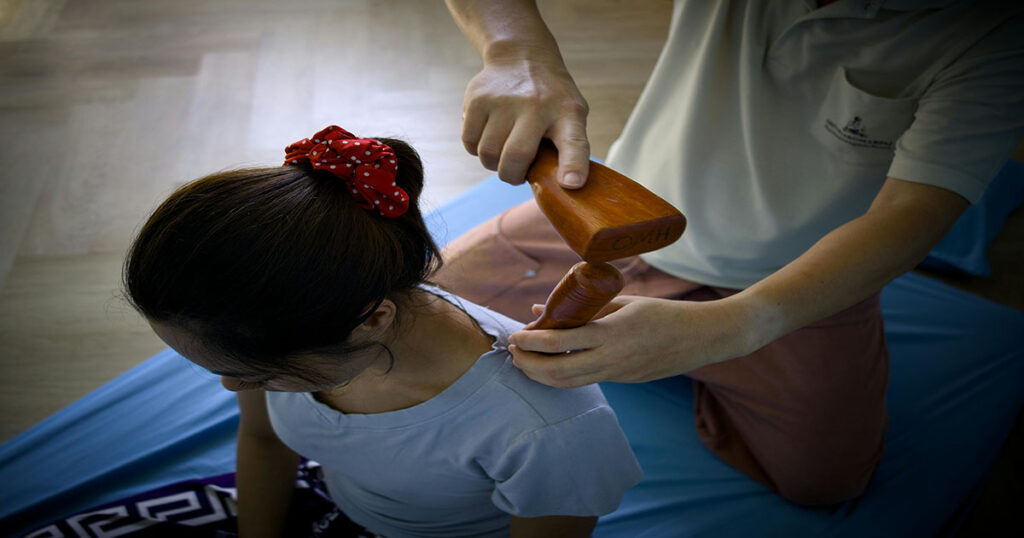
Massage helps reduce muscle tightness and improve movement, making daily activities more comfortable.
Many office workers notice reduced neck and shoulder pain after regular massage sessions.
10. Improves Overall Quality of Life
People who receive regular massage often report improvements in:
- Energy levels
- Mood
- Sleep quality
- Productivity
- Physical comfort
- Emotional resilience
Rather than treating stress only after it becomes overwhelming, regular massage can become part of a proactive wellness routine.
Which Type of Massage Is Best for Stress Relief?
Different massage techniques provide different benefits.
Swedish Massage
Ideal for:
- First-time clients
- General relaxation
- Mild muscle tension
Deep Tissue Massage
Best for:
- Chronic muscle tightness
- Athletes
- Office workers with severe stiffness
Hot Stone Massage
Excellent for:
- Deep relaxation
- Improved circulation
- Muscle recovery
Aromatherapy Massage
Combines massage with essential oils to create an even more calming experience.
How Often Should You Get a Massage?
The ideal frequency depends on your lifestyle and stress level.
General recommendations include:
- Once every 2–4 weeks for maintenance
- Weekly during particularly stressful periods
- More frequently if recommended by a qualified therapist for muscle recovery or specific physical concerns
Consistency often provides greater long-term benefits than occasional treatments.
Tips to Maximize Stress Relief After a Massage
To enjoy lasting benefits:
- Drink plenty of water
- Avoid intense exercise immediately afterward
- Take a warm shower if recommended
- Get adequate sleep
- Practice deep breathing
- Limit screen time for a few hours
- Continue stretching regularly
These simple habits help your body maintain the relaxed state achieved during the massage.
Is Massage Safe?
Massage is generally considered safe for most healthy adults.
However, you should consult a healthcare professional before receiving massage if you have:
- Severe heart conditions
- Blood clotting disorders
- Open wounds
- Skin infections
- Recent surgery
- High-risk pregnancy
- Serious medical conditions
Always inform your massage therapist about your medical history before treatment.
Final Thoughts
Stress has become an unavoidable part of modern life, but it doesn’t have to control your health.
Massage therapy offers a natural, relaxing, and effective way to reduce stress, relieve muscle tension, improve sleep, and promote overall wellness. Whether you’re dealing with workplace pressure, physical fatigue, or simply need time to recharge, regular massage can help restore both body and mind.
If you’re looking for professional massage services delivered in the comfort of your own home, Hanoi Home Massage provides experienced therapists dedicated to helping you relax and feel your best.
Website: http://hanoihomemassage.com/
Hotline: 0877 363 626
Book your appointment today and discover how regular massage can become an essential part of a healthier, less stressful lifestyle.
