
News
9 Benefits of Sports Massage for Active Lifestyles: Recovery, Relaxation & Better Mobility
1. What Is Sports Massage?
An active lifestyle can bring many benefits. Regular exercise can help improve strength, endurance, mobility and overall well-being. However, people who exercise frequently may also experience muscle tightness, temporary soreness, fatigue and physical stress.
This is where Sports Massage can become a useful part of a personal recovery routine.
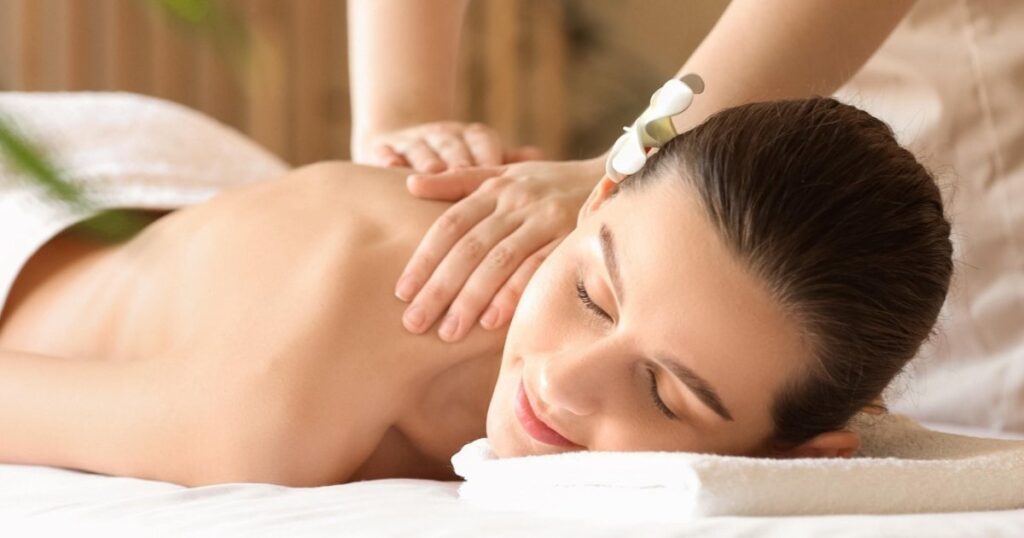
Sports massage is a form of massage designed around the needs of physically active people. It commonly focuses on muscles and soft tissues that experience repeated or higher physical demands. Depending on the individual’s activity and goals, the massage may focus on areas such as the legs, hips, back, shoulders, arms or feet.
Sports massage is not limited to professional athletes. Runners, cyclists, gym-goers, swimmers, hikers, office workers who exercise after work and anyone with an active lifestyle may choose it as part of their relaxation and recovery routine.
Research suggests that massage does not directly improve major performance measures such as strength, sprinting, jumping or endurance. However, systematic reviews have found small benefits for flexibility and delayed-onset muscle soreness (DOMS), while people may also experience improved relaxation and perceived recovery.
Therefore, sports massage is best viewed as a supportive recovery and relaxation technique, rather than a replacement for training, sleep, nutrition or medical treatment.
2. Why Do Active People Consider Sports Massage?
Training puts stress on the body.
After a challenging workout, muscles may feel tight or sore. After running, for example, the calves, hamstrings, glutes and feet may feel tired. After strength training, the shoulders, back, arms or legs may need additional relaxation.
Sports massage can provide a dedicated period of recovery and body awareness.
For many active people, the biggest attraction is not necessarily an immediate improvement in athletic performance. Instead, it is the feeling of being more relaxed and comfortable after physical activity.
A systematic review of 29 studies involving 1,012 participants found that massage was not associated with improvements in strength, jumping, sprinting, endurance or fatigue, but did show small improvements in flexibility and DOMS.
This makes sports massage particularly interesting for people who want to include recovery and relaxation in their regular lifestyle.
3. 9 Benefits of Sports Massage for Active Lifestyles
3.1. Helps Reduce the Feeling of Muscle Soreness
Delayed-onset muscle soreness, commonly called DOMS, can appear after unfamiliar or intense exercise.
You may notice soreness several hours after training, with symptoms sometimes becoming more noticeable the following day.
Sports massage may help reduce the perceived intensity of this soreness.
Research reviews have found that massage can have a small positive effect on DOMS following exercise.
However, massage should not be interpreted as a way to instantly repair damaged muscles. Normal recovery still depends on sufficient rest, nutrition, hydration and appropriate training progression.
3.2. Promotes Muscle Relaxation
One of the most immediate benefits of massage is the feeling of relaxation.
After repetitive movements or resistance training, certain muscles may feel tense. A properly adjusted massage can help create a more comfortable sensation in these areas.
For active people, this can be especially useful after:
- Running
- Cycling
- Swimming
- Weight training
- Tennis
- Football
- Hiking
- Long-distance walking
- High-intensity workouts
The massage pressure should be adapted to the individual’s condition.
A deeper massage is not automatically better. Excessive pressure may make already-sensitive muscles feel worse.
3.3. Supports Flexibility
Flexibility is important for many active lifestyles.
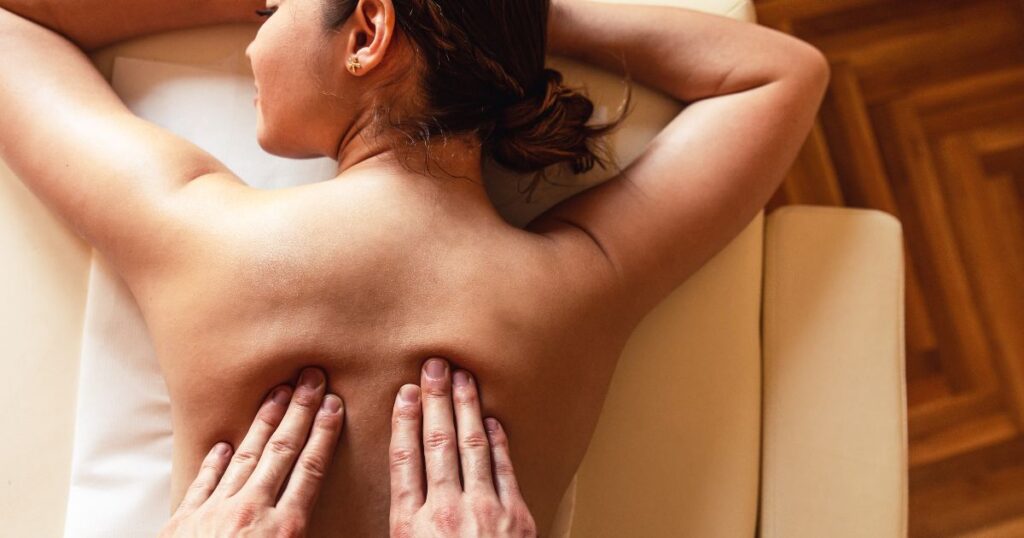
Limited flexibility can make certain movements feel uncomfortable or restricted. Sports massage may temporarily improve flexibility and range of motion in some situations.
A systematic review and meta-analysis found a statistically significant improvement in flexibility following massage, although the effect should not be confused with long-term changes from structured mobility or stretching programs.
For this reason, sports massage can complement—but should not replace—regular mobility work.
A balanced routine may include:
Warm-up → Training → Cool-down → Mobility → Rest → Massage when appropriate.
3.4. Helps You Feel More Recovered
Recovery is not only physical.
How recovered you feel can influence motivation, mood and your willingness to return to training.
Research examining massage and exercise performance has reported positive effects on perceived recovery, relaxation, mood and psychological factors, even though direct improvements in athletic performance are less convincing.
This distinction is important.
Sports massage may help you feel better, without necessarily making you stronger or faster immediately.
For recreational athletes, that can still be valuable.
3.5. Provides a Relaxation Break From a Busy Schedule
Many people who exercise regularly also have demanding jobs and busy schedules.
For example, someone may spend eight hours working at a computer before going to the gym in the evening. Their body may experience both prolonged sitting and physical training within the same day.
A massage session provides dedicated time to slow down.
Instead of immediately moving from work to exercise and then back to daily responsibilities, a massage session can become part of a broader recovery routine.
This is particularly convenient when the massage takes place at home.
3.6. Can Be Useful After Long-Distance Activities
Long walks, running events, cycling trips and hiking can place considerable demands on the lower body.
The feet, calves, thighs and hips may feel tired afterward.
A sports massage session can be customized to focus on the areas that feel most fatigued.
For example, a runner may request more attention to the calves and legs, while a cyclist may prefer work around the legs, hips and lower back.
The goal should be comfort and relaxation—not forcing painful pressure into tired muscles.
3.7. Encourages Better Awareness of Muscle Tension
Regular massage can encourage people to pay more attention to how their bodies feel.
You may begin to notice that certain areas become tight after particular exercises.
For example:
- Tight calves after running
- Shoulder tension after upper-body training
- Lower-back discomfort after prolonged sitting
- Hip tightness after cycling
- Foot fatigue after long walks
Recognizing these patterns can encourage better training habits.
If discomfort repeatedly returns, however, massage should not be used simply to cover up the problem. Persistent or significant pain may require assessment by a qualified healthcare professional.
3.8. Can Complement an Active Lifestyle
A healthy active lifestyle involves more than exercise.
A complete approach can include:
- Regular physical activity
- Adequate sleep
- Balanced nutrition
- Hydration
- Rest days
- Mobility exercises
- Stress management
- Appropriate recovery strategies
Sports massage can fit into this larger routine as an optional recovery and relaxation tool.
It should be considered one part of the recovery process, rather than the entire recovery process.
3.9. Convenient Home Massage Can Save Time
One of the biggest advantages of sports massage at home in Hanoi is convenience.
Active people often have limited free time.
After work and exercise, traveling to another location for a massage can feel inconvenient. With home massage, you can arrange a session at your house, apartment or suitable accommodation and relax afterward without another journey.
This can be especially practical for:
- Busy professionals
- Fitness enthusiasts
- Runners
- Travelers
- Business travelers
- Hotel guests
- People who exercise in the evening
For someone maintaining a busy schedule, convenience can make it easier to maintain a consistent recovery routine.
4. When Is the Best Time to Have a Sports Massage?
There is no single perfect timing for everyone.
The appropriate timing depends on your training schedule, massage intensity and personal response.
After Training
A gentle massage after exercise may help with relaxation and perceived recovery.
On a Rest Day
A rest day can be a convenient time for a more comprehensive massage session, especially when the goal is relaxation.
Before an Important Event
Some athletes use massage before competition, but the intensity should generally be appropriate. An unfamiliar or very aggressive massage immediately before an event may not be a good idea.
During a Training Program
For people who exercise regularly, massage can be scheduled according to training volume and individual needs.
The key is to avoid treating massage as a substitute for proper recovery fundamentals.

5. Sports Massage vs. Regular Massage
Although there are similarities, the goals can be different.
Regular relaxation massage generally emphasizes comfort, stress reduction and overall relaxation.
Sports massage tends to be more focused on areas affected by physical activity and may be adjusted according to the person’s exercise routine.
For example, a runner may benefit from a session that focuses on the legs and feet, while someone who regularly lifts weights may prefer more attention to the shoulders, arms and back.
Neither approach is automatically better.
The right choice depends on your lifestyle and current needs.
6. Does Sports Massage Improve Athletic Performance?
This is one of the most common questions.
The evidence does not strongly support the idea that sports massage directly makes someone stronger, faster or more enduring.
A major systematic review found no evidence of meaningful improvements in strength, jump performance, sprint performance or endurance from massage. It did, however, identify small improvements in flexibility and DOMS.
Another review of 114 articles concluded that massage’s direct effect on sports performance remains questionable, while benefits related to pain, soreness, stress, relaxation and perceived recovery may indirectly support an athlete’s overall experience.
Therefore, the best way to think about sports massage is:
Train for performance.
Eat and sleep for recovery.
Use massage as a supportive tool.
7. Who Can Benefit From Sports Massage?
Sports massage is not only for professional athletes.
It may be suitable for healthy adults who regularly participate in physical activity, including:
- Gym members
- Runners
- Cyclists
- Swimmers
- Football players
- Tennis players
- Hikers
- Dancers
- Fitness enthusiasts
- Recreational athletes
- People with generally active lifestyles
The massage should always be adapted to the person’s physical condition and comfort level.
8. When Should You Avoid Sports Massage?
Massage is not appropriate for every situation.
You should be cautious if you have an acute injury, unexplained severe pain, significant swelling, an open wound, infection or another medical condition that could make massage inappropriate.
If you have recently experienced a serious injury or have persistent pain, consult a qualified healthcare professional before using massage as part of your recovery.
Sports massage should also not be used to push through severe pain.
Good massage should feel appropriate—not unbearable.
9. How to Prepare for a Sports Massage
A few simple steps can make your session more comfortable.
Tell the therapist about your workout
Explain what type of exercise you do and which areas feel tired.
Mention sensitive areas
If a particular muscle is sore or uncomfortable, communicate this before the session.
Choose suitable pressure
More pressure does not necessarily produce better results.
Stay hydrated
Maintain normal hydration throughout the day.
Give yourself time to relax
Avoid scheduling an intense workout immediately after a deep massage if your body feels sensitive.
10. Sports Massage at Home in Hanoi
For people with active lifestyles, convenience matters.
Hanoi Home Massage provides a convenient option for people who prefer to enjoy massage at home or at suitable accommodation in Hanoi.
Instead of spending additional time traveling to a massage location, customers can arrange a session and relax in a familiar environment afterward.
Sports massage can be especially convenient after a busy workday followed by exercise, a long walk around Hanoi or a demanding training session.
When booking, it is helpful to communicate:
- Your preferred massage duration
- The type of exercise you normally do
- Areas experiencing muscle fatigue
- Preferred massage pressure
- Any relevant physical concerns
This information allows the session to be adjusted more appropriately to your needs.
Conclusion: Is Sports Massage Worth Including in an Active Lifestyle?
Sports Massage for Active Lifestyles can be a useful addition to a broader recovery routine.
Its strongest potential benefits are related to relaxation, perceived recovery, flexibility and reducing the feeling of post-exercise muscle soreness. Research does not support viewing massage as a direct way to increase strength, speed or endurance, so expectations should remain realistic.
For active people, the best approach is to combine sports massage with the fundamentals of recovery: adequate sleep, proper nutrition, hydration, rest and sensible training progression.
If you enjoy running, cycling, gym workouts, hiking or other physical activities, a well-planned massage session can be a comfortable way to give your body some additional attention.
Book Sports Massage at Home in Hanoi
Looking for convenient Sports Massage at Home in Hanoi?
Contact Hanoi Home Massage to discuss your preferred service and schedule.
Website: http://hanoihomemassage.com
Hotline: 0877 363 626
Phone: 0877363626
Enjoy a more convenient way to relax and support your active lifestyle—right where you are.
