
News
10 Ways Massage Supports Mental Wellness and Reduces Everyday Stress
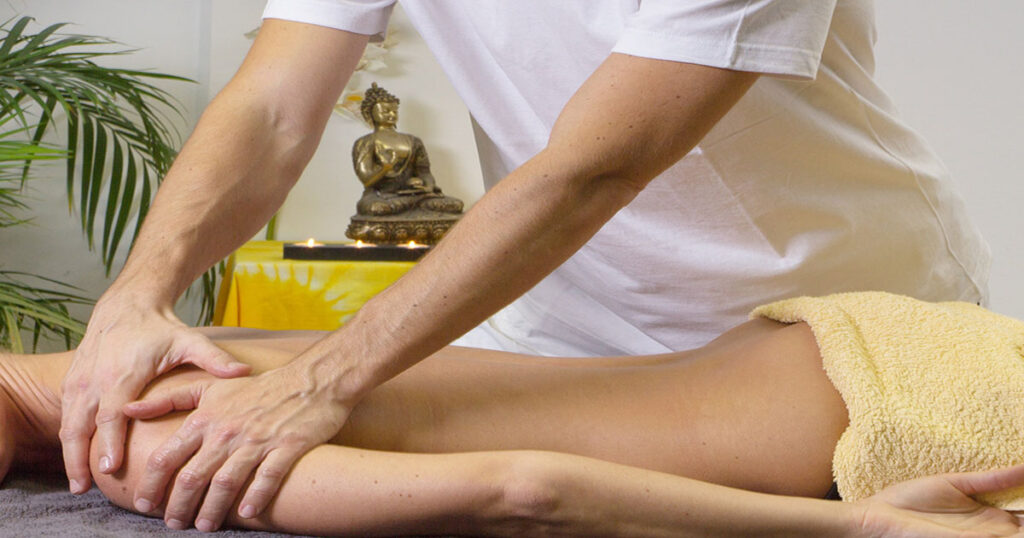
In today’s fast-paced world, maintaining good mental health has become just as important as caring for physical health. Long working hours, constant digital distractions, financial pressures, and everyday responsibilities can leave many people feeling overwhelmed, anxious, or emotionally exhausted. While therapy, exercise, and healthy lifestyle habits all play essential roles in supporting mental wellness, massage therapy has become an increasingly popular complementary practice.
Massage is often associated with relieving muscle tension, but its benefits extend far beyond physical relaxation. Professional massage therapy can help reduce stress, improve sleep quality, enhance mood, and promote overall emotional well-being. By calming the nervous system and encouraging the body to release feel-good hormones, massage offers a natural way to support mental wellness.
This article explores how massage positively affects mental health, the science behind its benefits, and why regular massage can become an important part of your self-care routine.
Understanding Mental Wellness
Mental wellness is more than simply the absence of mental illness. It refers to a person’s emotional, psychological, and social well-being. Good mental wellness enables individuals to:
- Manage everyday stress effectively.
- Maintain positive relationships.
- Stay productive at work.
- Sleep better.
- Make healthy decisions.
- Enjoy life with greater balance.
However, modern lifestyles often interfere with these goals. Continuous stress may eventually contribute to anxiety, burnout, fatigue, poor concentration, and reduced quality of life.
Fortunately, healthy lifestyle habits—including massage therapy—can help restore emotional balance.
The Science Behind Massage and Mental Health
Massage therapy influences several systems throughout the body, particularly the nervous system.
When a skilled massage therapist applies rhythmic pressure and gentle manipulation to muscles and soft tissues, the body begins to shift from the “fight or flight” response toward the “rest and digest” state.
Research has shown that massage may help:
- Lower cortisol (the primary stress hormone).
- Increase serotonin production.
- Boost dopamine levels.
- Encourage the release of endorphins.
- Promote parasympathetic nervous system activity.
These physiological changes contribute to feelings of calmness, relaxation, and emotional stability.
1. Massage Helps Reduce Stress
Stress is one of the most common reasons people seek massage therapy.
Daily responsibilities, demanding careers, parenting, commuting, and technology overload constantly activate the body’s stress response.
Professional massage helps interrupt this cycle by:
- Relaxing tight muscles.
- Slowing the heart rate.
- Improving breathing patterns.
- Reducing physical tension.
- Encouraging deep relaxation.
Many clients report feeling mentally refreshed after even a single massage session.
2. Massage May Help Reduce Anxiety
Anxiety often causes both emotional and physical symptoms, including:
- Racing thoughts.
- Muscle tightness.
- Restlessness.
- Rapid heartbeat.
- Difficulty relaxing.
Massage creates a calming environment where both body and mind can unwind.
The combination of therapeutic touch, quiet surroundings, slow breathing, and muscle relaxation helps many people experience temporary relief from anxious feelings.
While massage is not a replacement for professional mental health treatment, it can be an effective complementary wellness practice.
3. Better Sleep Means Better Mental Health
Sleep and mental wellness are closely connected.
People experiencing stress or anxiety frequently struggle with:
- Difficulty falling asleep.
- Frequent waking during the night.
- Poor sleep quality.
- Daytime fatigue.
Massage promotes relaxation before bedtime, allowing the body to transition more naturally into restful sleep.
Better sleep supports:
- Improved mood.
- Sharper concentration.
- Greater emotional resilience.
- Higher energy levels.
Regular massage sessions may help establish healthier sleep patterns over time.
4. Massage Supports Emotional Balance
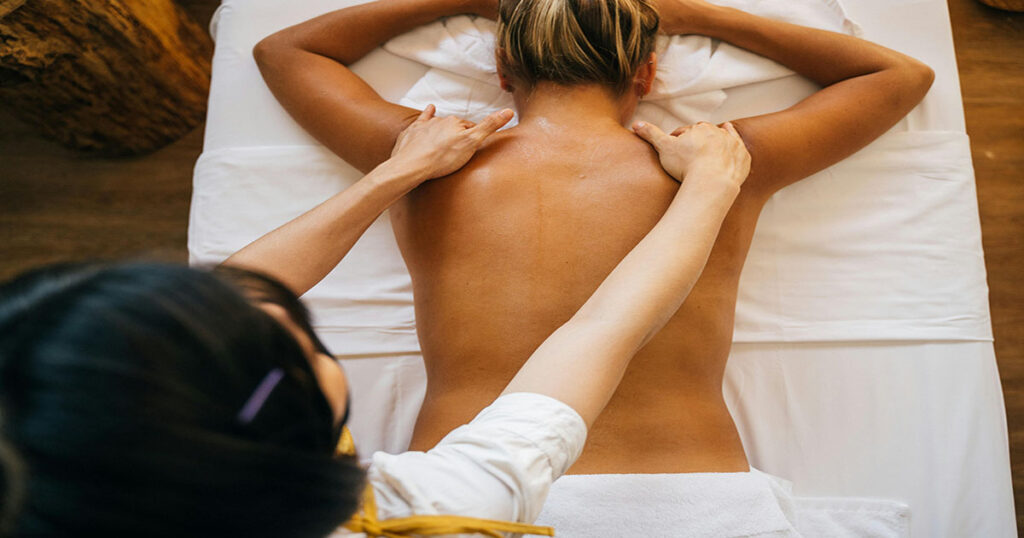
Physical touch has a unique effect on emotional well-being.
Safe, professional therapeutic touch may stimulate the release of oxytocin, sometimes called the “bonding hormone.”
This hormone is associated with:
- Trust.
- Emotional comfort.
- Reduced feelings of loneliness.
- Improved mood.
Many individuals leave a massage session feeling calmer, lighter, and emotionally refreshed.
5. Relieving Physical Pain Can Improve Mental Wellness
Chronic pain and emotional stress often reinforce each other.
When pain persists, people may experience:
- Irritability.
- Depression.
- Sleep disruption.
- Reduced physical activity.
- Lower overall quality of life.
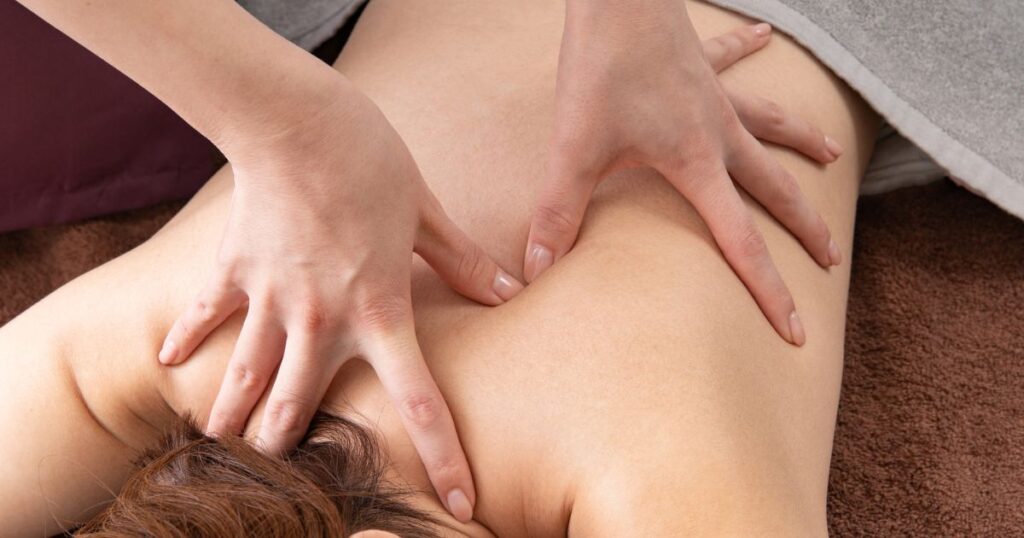
Massage therapy helps relieve muscle tension, improve circulation, and reduce stiffness, which may lessen discomfort for many individuals.
As physical pain decreases, emotional well-being often improves alongside it.
6. Massage Encourages Mindfulness
Modern life encourages constant multitasking.
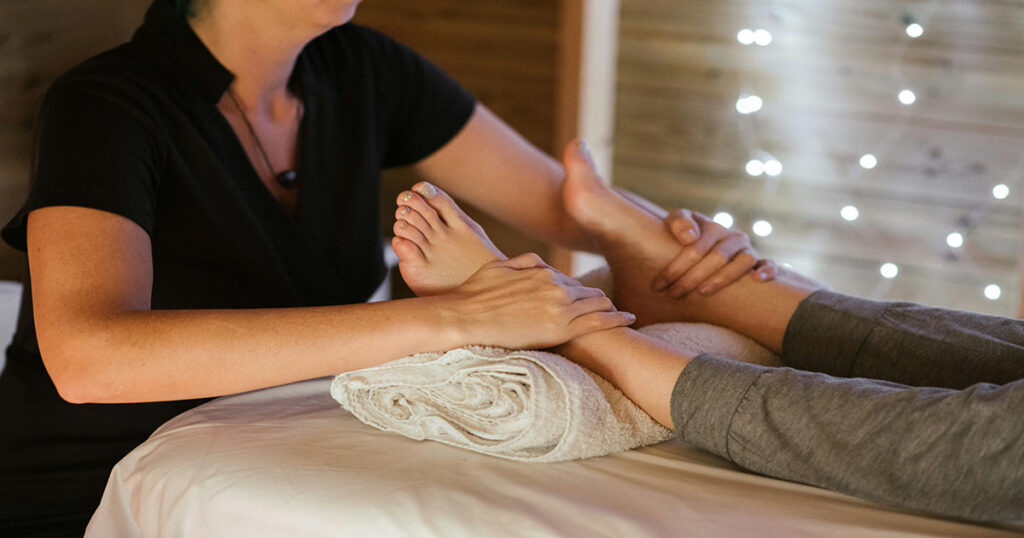
Massage provides a rare opportunity to disconnect from phones, emails, and daily pressures.
During a session, clients naturally become more aware of:
- Breathing.
- Muscle tension.
- Physical sensations.
- Emotional state.
This mindful awareness can help reduce mental clutter and improve overall emotional clarity.
7. Massage Helps Prevent Burnout
Burnout has become increasingly common among professionals, caregivers, students, and business owners.
Signs of burnout include:
- Emotional exhaustion.
- Reduced motivation.
- Chronic fatigue.
- Difficulty concentrating.
- Feeling overwhelmed.
Scheduling regular massage sessions creates dedicated time for recovery and self-care.
Instead of waiting until stress becomes overwhelming, preventative wellness practices can help maintain healthier emotional balance.
8. Massage Can Enhance Overall Quality of Life
Mental wellness affects nearly every aspect of daily living.
People who manage stress effectively often experience:
- Greater productivity.
- Better relationships.
- Increased confidence.
- Improved physical health.
- Higher life satisfaction.
Massage contributes to these outcomes by supporting both body and mind simultaneously.
Different Massage Styles That Support Mental Wellness
Different techniques offer different experiences depending on individual preferences.
Swedish Massage
Known for long, gentle strokes, Swedish massage is ideal for:
- Relaxation.
- Stress reduction.
- Improved circulation.
- Better sleep.
Aromatherapy Massage
Combining massage with essential oils may further enhance relaxation.
Popular oils include:
- Lavender.
- Chamomile.
- Bergamot.
- Ylang-Ylang.
Deep Tissue Massage
For individuals carrying chronic muscle tension due to stress, deep tissue massage targets deeper muscle layers while improving mobility.
Hot Stone Massage
Warm stones help relax muscles quickly while creating an exceptionally soothing experience.
Creating the Right Environment Matters
Mental wellness benefits increase when massage takes place in a comfortable environment.
Many people now choose home massage services because they eliminate:
- Traffic.
- Waiting rooms.
- Travel stress.
- Post-treatment commuting.
Receiving massage in a familiar environment allows clients to continue relaxing immediately after the session.
Professional home massage services are becoming increasingly popular among busy professionals, families, and travelers looking for convenient wellness solutions. Hanoi Home Massage provides experienced therapists who deliver treatments directly to homes, apartments, hotels, and offices across Hanoi, offering flexible booking and transparent pricing.
Making Massage Part of Your Self-Care Routine
Like exercise or healthy eating, massage offers the greatest benefits when practiced consistently.
Depending on lifestyle and stress levels, many people benefit from massage:
- Weekly.
- Every two weeks.
- Monthly.
Consistency helps maintain both physical comfort and emotional balance.
Massage should also be combined with:
- Regular exercise.
- Balanced nutrition.
- Adequate sleep.
- Healthy social relationships.
- Professional mental health support when needed.
Choosing a Professional Massage Service
The quality of your massage experience depends greatly on the therapist’s training and professionalism.
When selecting a massage provider, consider:
- Certified and experienced therapists.
- Transparent pricing.
- Good customer reviews.
- Hygienic practices.
- Flexible appointment scheduling.
- Responsive customer support.
Choosing a trusted provider helps ensure a safe, comfortable, and relaxing experience.
Experience Professional Home Massage with Hanoi Home Massage
If you’re looking for a convenient way to support both physical relaxation and mental wellness, Hanoi Home Massage offers professional in-home massage services throughout Hanoi.
Clients can choose experienced therapists, schedule appointments online, and enjoy personalized treatments in the comfort of their own home, apartment, hotel, or office. The service emphasizes convenience, transparent pricing, hygiene, and professional care, making wellness more accessible for busy lifestyles.
Website: http://hanoihomemassage.com
Hotline: 0877 363 626
Conclusion
Mental wellness requires ongoing care, and massage therapy offers a simple yet effective way to support emotional health naturally. By reducing stress hormones, encouraging relaxation, improving sleep quality, easing physical discomfort, and promoting mindfulness, massage benefits both the body and the mind.
Whether you’re managing a demanding career, recovering from daily stress, or simply looking to improve your overall well-being, incorporating regular massage into your self-care routine may help you feel calmer, healthier, and more balanced.
Combined with healthy habits and professional healthcare when appropriate, massage can become an invaluable investment in long-term mental wellness.
