
News
10 Proven Benefits of Regular Massage Therapy for Your Mind and Body

In today’s fast-paced world, stress, muscle tension, poor posture, and fatigue have become part of everyday life. Whether you spend long hours at a desk, travel frequently, exercise intensely, or simply struggle with daily stress, your body constantly absorbs physical and mental pressure.
One of the most effective and natural ways to restore balance is through regular massage therapy. While many people think of massage as a luxury or occasional treat, health experts increasingly recognize it as a valuable wellness practice that supports both physical and mental well-being.
Regular massage therapy can do much more than help you relax. It may improve circulation, reduce muscle pain, support better sleep, enhance flexibility, and promote overall wellness.
In this article, we’ll explore the top benefits of regular massage therapy and why making massage part of your lifestyle can be a smart investment in your long-term health.
What Is Massage Therapy?
Massage therapy involves the manipulation of muscles, soft tissues, tendons, and ligaments through various techniques designed to relieve tension, improve circulation, and promote relaxation. Different massage styles serve different purposes, including:
- Swedish Massage
- Deep Tissue Massage
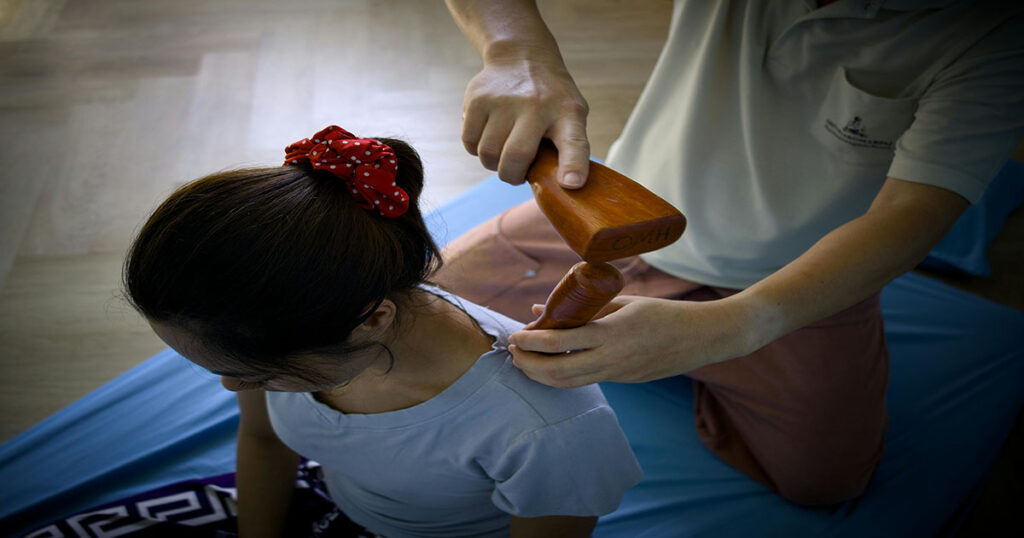
- Thai Massage
- Sports Massage
- Aromatherapy Massage
- Therapeutic Massage
- Hot Stone Massage
Each technique offers unique benefits, but all forms of professional massage aim to improve the body’s natural healing and recovery processes. Research suggests massage therapy may help reduce stress, improve relaxation, manage pain, and support immune function.
1. Reduces Stress and Promotes Relaxation
One of the most immediate benefits of massage therapy is stress reduction.
Modern lifestyles expose people to constant stress from work deadlines, family responsibilities, financial concerns, and digital overload. Chronic stress can negatively impact both physical and mental health, contributing to headaches, muscle tension, fatigue, and sleep disturbances.
Massage therapy helps activate the body’s relaxation response. During a massage session, muscle tension decreases, breathing becomes deeper, and the nervous system shifts toward a more relaxed state. Many people report feeling calmer and more balanced after just one session.
Studies have shown that massage therapy can help reduce stress-related symptoms and improve overall emotional well-being.
For individuals experiencing high-pressure work environments or demanding schedules, regular massage can become an effective stress-management tool.
2. Relieves Muscle Pain and Tension
Muscle soreness and stiffness are common complaints among office workers, athletes, travelers, and people with physically demanding jobs.
Poor posture, repetitive movements, prolonged sitting, and intense exercise can all contribute to muscle tightness and discomfort.
Massage therapy helps by:
- Releasing muscle knots
- Improving blood flow to affected areas
- Reducing muscle stiffness
- Promoting faster recovery
Research suggests massage therapy may be beneficial for various pain conditions, including neck pain, shoulder tension, and lower back discomfort.
Regular sessions can help prevent minor aches from developing into chronic pain problems.
3. Improves Blood Circulation
Healthy circulation is essential for delivering oxygen and nutrients throughout the body.
When circulation becomes sluggish due to inactivity, stress, or muscle tension, people may experience:
- Fatigue
- Swelling
- Slow recovery
- Muscle soreness
Massage techniques stimulate blood flow and encourage better circulation throughout the body.
Improved circulation may help:
- Deliver oxygen to muscles more efficiently
- Support tissue repair
- Reduce inflammation
- Enhance overall energy levels
Healthcare experts note that massage can improve circulation and support recovery processes within the body.
4. Enhances Sleep Quality
Millions of people struggle with sleep issues caused by stress, anxiety, muscle discomfort, and irregular schedules.
Poor sleep can negatively impact:
- Concentration
- Productivity
- Mood
- Immune function
- Overall health
Massage therapy promotes relaxation and may help the body transition into a more restful state.
Many clients report:
- Falling asleep faster
- Experiencing deeper sleep
- Waking up feeling refreshed
- Reduced nighttime restlessness
Research indicates massage therapy may improve sleep quality while reducing symptoms associated with insomnia and stress-related sleep disturbances.
For busy professionals and frequent travelers, regular massage can become an important part of a healthy sleep routine.

5. Supports Mental Health and Emotional Well-Being
Mental wellness is just as important as physical health.
Anxiety, emotional stress, and burnout have become increasingly common in modern society. Massage therapy provides a safe and natural way to support emotional balance.
Benefits may include:
- Reduced anxiety
- Improved mood
- Enhanced relaxation
- Greater sense of well-being
- Reduced emotional tension
Studies suggest massage therapy may positively affect symptoms associated with anxiety and depression while promoting mental wellness.
Many people describe feeling mentally refreshed and emotionally lighter after regular massage sessions.
6. Boosts Flexibility and Range of Motion
As we age, muscles and joints naturally become less flexible.
Limited mobility can affect:
- Athletic performance
- Daily movement
- Posture
- Overall comfort
Massage therapy helps loosen tight muscles and connective tissues, allowing joints to move more freely.
Regular massage may:
- Increase flexibility
- Improve mobility
- Support healthy posture
- Reduce stiffness
For athletes, fitness enthusiasts, and individuals with sedentary lifestyles, improved flexibility can contribute to better movement and reduced injury risk.

7. Strengthens Immune Function
The immune system plays a critical role in protecting the body from illness and infection.
Chronic stress is known to weaken immune responses, making individuals more vulnerable to health issues.
Research has suggested that massage therapy may support immune function by influencing certain immune system activities and reducing stress levels.
While massage should never replace medical treatment, it can be a valuable component of a healthy lifestyle focused on prevention and wellness.
8. Helps Improve Posture
Poor posture has become increasingly common due to:
- Long hours at a computer
- Smartphone use
- Driving
- Sedentary work habits
Over time, poor posture can lead to:
- Neck pain
- Shoulder tension
- Back discomfort
- Reduced mobility
Massage therapy helps relax overworked muscles while addressing imbalances caused by repetitive positions.
When muscles become less tense and more balanced, maintaining proper posture becomes easier and more comfortable.
Many clients notice improvements in body alignment after consistent massage sessions.
9. Accelerates Recovery from Physical Activity
Athletes and active individuals often use massage therapy as part of their recovery routine.
Exercise places stress on muscles and connective tissues, which can result in soreness and fatigue.
Massage therapy may help:
- Reduce post-workout soreness
- Improve muscle recovery
- Enhance circulation
- Maintain flexibility
- Support athletic performance
Both recreational and professional athletes frequently incorporate massage into their training programs because of its recovery benefits.
Regular maintenance massage can help keep the body performing at its best.
10. Encourages Long-Term Wellness
Perhaps the greatest benefit of regular massage therapy is its contribution to overall wellness.
Rather than waiting until pain, stress, or exhaustion become overwhelming, massage provides a proactive approach to self-care.
Consistent massage sessions may help:
- Manage daily stress
- Support healthy movement
- Improve physical comfort
- Promote relaxation
- Enhance quality of life
Many wellness experts now view massage as part of a comprehensive health strategy that complements exercise, nutrition, sleep, and mindfulness practices.
How Often Should You Get a Massage?
The ideal frequency depends on your goals and lifestyle.
Once Per Month
Suitable for:
- General wellness
- Stress management
- Maintenance care
Every Two Weeks
Recommended for:
- Busy professionals
- Moderate muscle tension
- Active lifestyles
Weekly Sessions
Ideal for:
- Chronic stress
- Athletes
- Recovery programs
- Ongoing muscle discomfort
A professional therapist can help determine the most effective schedule based on your individual needs.
Experience Professional Home Massage in Hanoi
If you’re looking for a convenient and professional massage experience, Hanoi Home Massage provides premium in-home massage services designed to help you relax, recover, and restore balance.
Our experienced therapists offer a variety of treatments, including:
- Swedish Massage
- Deep Tissue Massage
- Thai Massage
- Body Massage
- Therapeutic Massage
- Relaxation Massage
Whether you’re at home, in a hotel, or at a private residence, our team delivers professional massage services directly to your location for maximum comfort and convenience.
Contact Hanoi Home Massage
Website: http://hanoihomemassage.com
Hotline: 0877 363 626
Available daily with flexible appointment scheduling.
Final Thoughts
Massage therapy is far more than an occasional luxury. Regular massage can support physical recovery, reduce stress, improve sleep quality, enhance flexibility, and contribute to overall wellness.
Whether your goal is relaxation, pain management, athletic recovery, or simply maintaining a healthier lifestyle, incorporating massage therapy into your routine can provide lasting benefits for both body and mind.
Investing in regular massage sessions is ultimately an investment in your long-term health, comfort, and quality of life.
