
News
7 Key Differences Between Therapeutic Massage vs Relaxation Massage
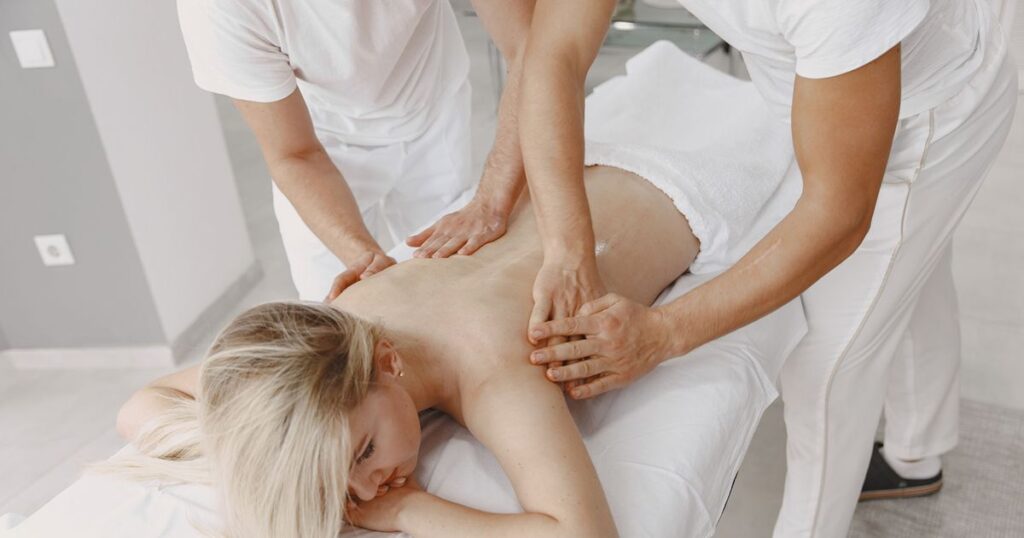
Massage is a popular way to take care of the body, reduce everyday stress, and enjoy a deeper sense of relaxation. However, not all massage sessions have the same purpose. Two of the most commonly requested options are therapeutic massage and relaxation massage.
Although both may involve similar techniques, they are designed with different goals in mind. Therapeutic massage generally focuses on specific areas of discomfort, muscle tension, movement limitations, or physical recovery. Relaxation massage, on the other hand, is primarily designed to create a calming experience, reduce everyday stress, and help the body and mind unwind.
Understanding the difference between therapeutic massage vs relaxation massage can help you choose a session that better matches your needs.
If you are looking for a massage at home, hotel, or apartment in Hanoi, understanding these differences can also help you communicate your preferences clearly before the session.
1. What Is Therapeutic Massage?
Therapeutic massage is generally focused on addressing specific physical concerns rather than simply providing general relaxation.
During a therapeutic session, the massage therapist may concentrate on particular areas such as the neck, shoulders, lower back, hips, legs, or arms. Techniques and pressure can be adjusted according to the client’s condition, comfort level, and goals.
For example, someone who spends many hours working at a computer may experience tension around the neck and shoulders. A therapeutic massage session may spend more time on these areas instead of treating the entire body equally.
Therapeutic massage may be considered by people experiencing:
- Muscle tightness after prolonged sitting
- Neck and shoulder tension
- General muscle soreness
- Physical fatigue after exercise
- Stiffness caused by maintaining the same posture
- Tension related to repetitive activities
- Limited comfort when moving certain muscle groups
It is important to understand that massage should not be considered a replacement for professional medical care. Persistent or unexplained pain should be evaluated by an appropriate healthcare professional.
2. What Is Relaxation Massage?
Relaxation massage is designed primarily to create a comfortable and calming experience.
Instead of focusing heavily on one specific problem area, the session may use flowing, rhythmic movements across different parts of the body. The pressure is often light to moderate, although preferences can vary.
The goal is to help the client slow down, release everyday tension, and enjoy a period of rest.
Relaxation massage can be particularly appealing to people who:
- Feel stressed after a long workday
- Want to take a break from a busy schedule
- Spend long hours traveling
- Want a gentle full-body massage
- Prefer moderate or lighter pressure
- Want to relax before bedtime
- Simply enjoy regular wellness and self-care
For many people, relaxation is the main reason they book a massage. They may not have a specific physical complaint but simply want time away from work, travel, and daily responsibilities.
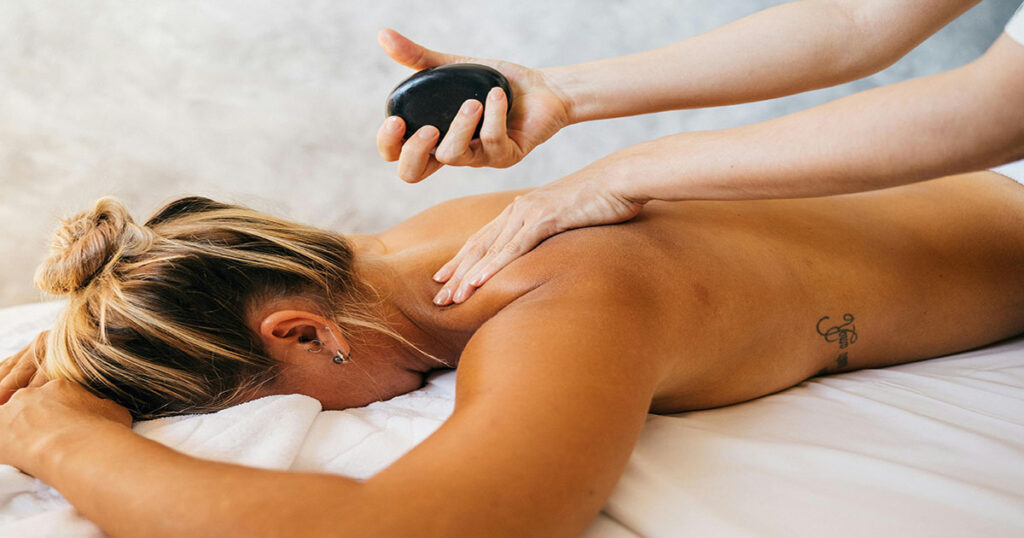
3. Therapeutic Massage vs Relaxation Massage: The Main Differences
The easiest way to understand the difference is to compare their primary goals.
Therapeutic Massage
The main focus is usually targeted physical care.
The therapist may spend more time working on particular muscle groups or areas where the client experiences tension. The session may involve more focused pressure or specific techniques.
Relaxation Massage
The main focus is overall relaxation and comfort.
The therapist generally aims to create a soothing experience using smooth and rhythmic movements. Rather than concentrating on one particular area, the session may cover larger areas of the body.
Neither option is automatically better than the other. The right choice depends on what you want from your massage session.
4. Difference in Massage Pressure
Pressure is another important difference between therapeutic and relaxation massage.
A relaxation massage often uses light to moderate pressure. The movements are intended to feel smooth and comfortable, allowing the client to relax without excessive intensity.
Therapeutic massage may involve more focused pressure on certain areas. However, stronger pressure does not necessarily mean a better massage.
A common misconception is that a massage must hurt to be effective. In reality, excessive pressure can make a person uncomfortable and may cause unnecessary soreness.
The ideal pressure depends on the individual. Before your session, tell your therapist whether you prefer:
- Light pressure
- Moderate pressure
- Firm pressure
- Different pressure for different body areas
Communication is particularly important during therapeutic massage because specific areas may be more sensitive than others.
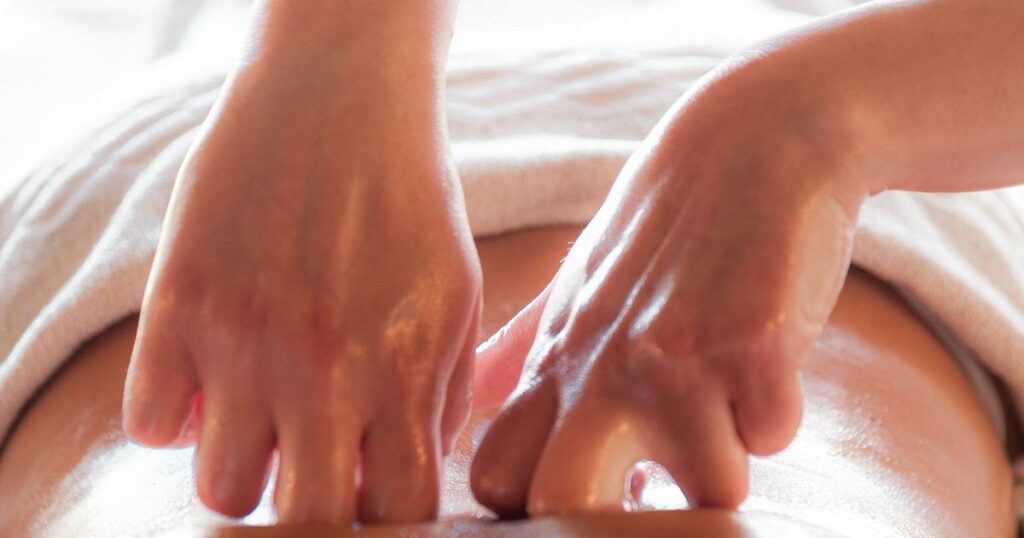
5. Difference in Massage Techniques
Both types of massage may use techniques such as:
- Effleurage or long flowing strokes
- Kneading
- Circular movements
- Gentle pressure
- Muscle-focused work
- Stretching movements in suitable situations
However, the way these techniques are used can be different.
In relaxation massage, techniques are often combined into a continuous and rhythmic sequence. The objective is to create a smooth overall experience.
In therapeutic massage, the therapist may adjust techniques according to the targeted area. For example, more attention may be given to a tense shoulder or a tired lower back.
The session may also be customized according to the client’s lifestyle, physical activity, and areas of concern.
6. Which Massage Is Better for Stress?
If your primary concern is everyday stress, relaxation massage may be the more natural choice.
Modern lifestyles often involve long working hours, digital devices, commuting, business travel, and constant mental stimulation. Even when there is no obvious physical pain, the body may still feel tense.
A quiet massage environment combined with slow, comfortable movements can provide a valuable opportunity to disconnect from daily responsibilities.
Relaxation massage may be especially suitable after:
- A long day at work
- A busy business trip
- A long flight
- Extensive sightseeing
- A demanding week
- A stressful period at work
The purpose is not necessarily to address a specific physical problem but to give your body and mind time to slow down.
7. Which Massage Is Better for Muscle Tension?
If your main concern is localized muscle tension, therapeutic massage may be more appropriate.
For example, office workers may notice tightness around the neck and shoulders after sitting at a desk for several hours. Travelers may experience tired legs after walking throughout the day. People who exercise regularly may also experience temporary muscle soreness and tension.
A therapeutic massage session can focus more closely on these areas.
However, massage should be adapted to the individual’s condition. If you have an injury, severe pain, swelling, numbness, or another concerning symptom, it is better to seek appropriate medical advice before receiving massage.
8. Therapeutic Massage vs Relaxation Massage for Office Workers
Office workers are one of the groups that may benefit from both types of massage.
If you spend most of the day sitting at a desk, your body may feel tired even if you have not performed strenuous physical activity.
Choose therapeutic massage if:
- Your neck and shoulders feel particularly tight.
- Your lower back feels uncomfortable after sitting.
- You want focused attention on specific muscle groups.
- You frequently maintain the same posture.
Choose relaxation massage if:
- You mainly feel mentally stressed.
- You want a gentle full-body experience.
- You do not have a specific area requiring attention.
- You want to relax after work.
Some people may even combine the two approaches by requesting a relaxing full-body session with additional attention to one or two areas.
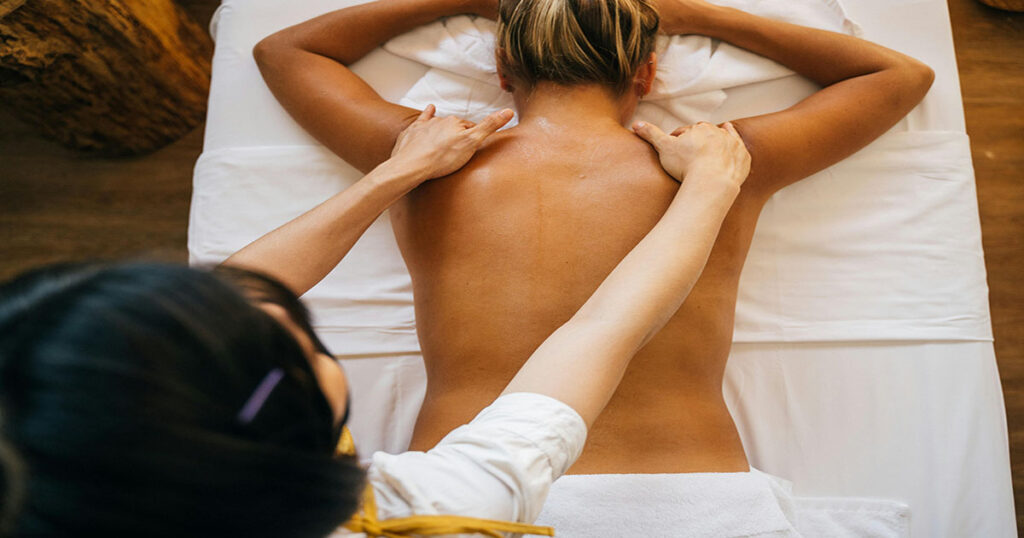
9. Therapeutic Massage vs Relaxation Massage for Travelers
Hanoi attracts visitors for holidays, business trips, food, culture, and sightseeing. Traveling can be exciting, but it may also involve long flights, walking, carrying luggage, and irregular schedules.
A relaxation massage can be a good option when you simply want to rest after a busy day.
For example, after spending hours exploring Hanoi, a gentle massage can provide a comfortable way to wind down in the evening.
Therapeutic massage may be considered when certain muscle groups feel particularly tired or tense after travel.
For hotel guests, an at-home or hotel massage service can also save time because there is no need to travel to another location after a long day.
10. Which Massage Should You Choose?
The simplest way to decide is to ask yourself one question:
“What do I want to achieve from this massage?”
If your answer is:
“I want to relax and forget about work for a while.”
A relaxation massage may be the better choice.
If your answer is:
“I have a specific area that feels tense and I want focused attention there.”
A therapeutic massage may be more suitable.
If you are unsure, discuss your preferences with the massage therapist before starting. Explain your daily activities, areas of tension, preferred pressure, and what you expect from the session.
11. Can You Combine Therapeutic and Relaxation Massage?
Yes. A massage session does not always have to fit into one strict category.
For example, you may begin with relaxing full-body techniques and then request additional attention to your neck and shoulders.
Another person may want a therapeutic-focused session but still prefer a calm and relaxing environment.
The best massage experience is often one that is customized to the individual’s needs.
When booking a massage at home, hotel, or apartment, you can communicate your preferences in advance so the therapist can prepare an appropriate approach.
12. Benefits of Choosing Massage at Home in Hanoi
For people with busy schedules, home massage in Hanoi offers an additional level of convenience.
Instead of spending time traveling to a massage center, you can arrange a session at your home, hotel, or apartment. This can be particularly useful after a long workday or when you have already spent several hours traveling around the city.
A typical home massage experience may include:
- Booking the desired service.
- Providing your location and preferred time.
- Discussing your preferred massage type.
- Explaining areas of tension or sensitivity.
- Preparing a comfortable space for the session.
- Enjoying the massage without additional travel afterward.
For travelers staying in hotels, hotel massage can be especially convenient because you can relax in your room immediately after the session.
13. How to Prepare for Your Massage
Regardless of whether you choose therapeutic or relaxation massage, a few simple preparations can improve your experience.
Communicate clearly
Tell your therapist which areas feel uncomfortable and which areas you want to avoid.
Choose the right pressure
Do not hesitate to ask for lighter or stronger pressure. Comfort is important.
Avoid a very heavy meal immediately beforehand
A lighter stomach can make the massage experience more comfortable.
Stay hydrated
Drinking enough water throughout the day supports general wellbeing.
Allow yourself time to relax
Try not to schedule another stressful activity immediately after the massage if possible.
14. Important Safety Considerations
Massage is generally used as a complementary wellness practice, but it is not appropriate for every situation.
Before booking a massage, consider discussing your situation with a qualified healthcare professional if you have a significant medical condition, recent injury, unexplained severe pain, or other symptoms that require medical attention.
During the massage, tell the therapist immediately if you experience sharp pain, unusual discomfort, dizziness, or any other concerning sensation.
A professional massage experience should prioritize communication, comfort, and appropriate technique rather than simply applying as much pressure as possible.
15. Therapeutic Massage vs Relaxation Massage: Final Comparison
Both therapeutic and relaxation massage can have an important place in a personal wellness routine, but their goals are different.
Therapeutic massage is more focused on specific areas of muscle tension, physical discomfort, and targeted bodywork.
Relaxation massage is primarily focused on calming the body and mind, reducing everyday stress, and creating a comfortable full-body experience.
If you have a particular area that needs attention, therapeutic massage may be worth considering. If you simply want to escape from a busy schedule and enjoy some quiet time, relaxation massage may be the better option.
Ultimately, there is no universal answer to which one is best. Your lifestyle, physical condition, personal preferences, and reason for booking should guide your decision.
Book a Home Massage in Hanoi
If you are looking for a convenient way to enjoy massage without leaving your home or hotel, Hanoi Home Massage provides massage services at your preferred location in Hanoi.
Whether you are interested in a relaxing full-body massage after work, a targeted session for areas of muscle tension, or a convenient massage during a business trip, you can discuss your preferred service and pressure level when booking.
For more information or to make a booking:
Website: http://hanoihomemassage.com
Hotline: 0877 363 626
Phone: 0877363626
Choose the massage style that matches your needs, communicate your preferences clearly, and give yourself time to rest and recharge.
