
News
7 Benefits of Massage and Muscle Recovery for Better Performance
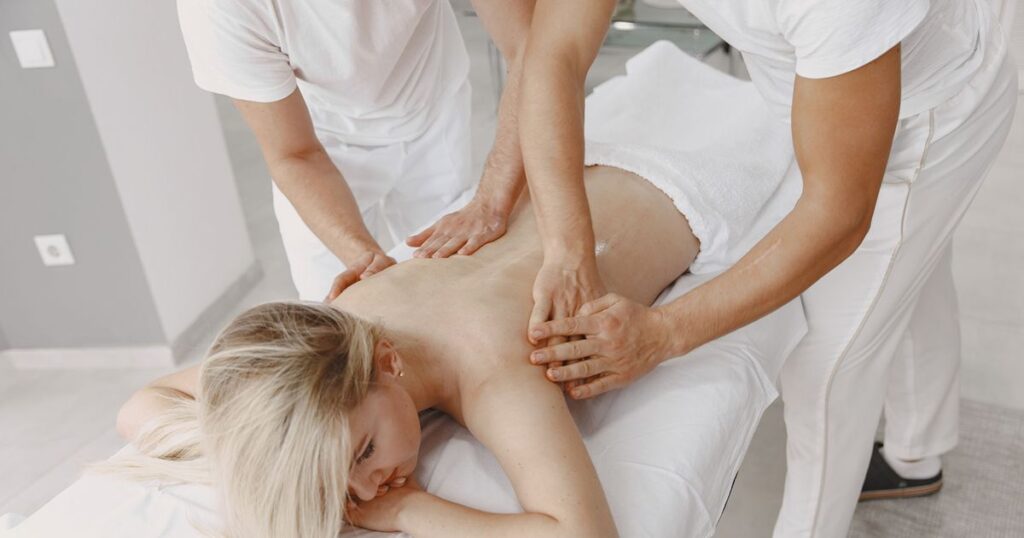
Whether you’re an athlete, a fitness enthusiast, or someone who spends long hours sitting at a desk, muscle soreness and stiffness are inevitable. While rest, hydration, and stretching all play important roles in recovery, professional massage therapy has become one of the most effective methods for reducing muscle fatigue and accelerating the body’s natural healing process.
Today, home massage services make professional recovery treatments more accessible than ever. Instead of traveling to a spa after an exhausting workout or a stressful workday, you can enjoy a personalized massage session in the comfort of your own home or hotel.
In this article, we’ll explore how massage supports muscle recovery, the science behind its benefits, and why professional home massage is becoming the preferred wellness solution in Hanoi.
Understanding Muscle Recovery
Muscle recovery is the process through which your body repairs microscopic muscle fibers damaged during physical activity.
Whether you lift weights, run long distances, play sports, or simply spend hours working at a computer, your muscles experience varying levels of stress. During recovery, your body works to:
- Repair damaged muscle fibers
- Reduce inflammation
- Restore flexibility
- Eliminate metabolic waste
- Improve blood circulation
- Prepare muscles for future activity
Without proper recovery, muscles remain tight, sore, and more vulnerable to injury.
Why Muscles Become Sore
After intense physical activity, many people experience Delayed Onset Muscle Soreness (DOMS), which usually develops 12–48 hours after exercise.
Common causes include:
- High-intensity workouts
- Weight training
- Long-distance running
- Cycling
- Hiking
- Poor posture
- Office-related muscle tension
- Repetitive movements
Although soreness is a normal part of muscle adaptation, excessive stiffness can interfere with daily activities and athletic performance.
How Massage Helps Muscle Recovery
Massage therapy provides multiple physiological benefits that support faster recovery.
1. Improves Blood Circulation
Massage stimulates blood flow throughout the muscles.
Better circulation means:
- More oxygen delivery
- Faster nutrient transport
- Quicker tissue repair
- Improved healing
Healthy circulation also helps remove waste products produced during exercise.
2. Reduces Muscle Tightness
One of massage’s most immediate effects is muscle relaxation.
Professional massage techniques help release muscle tension by:
- Reducing muscle guarding
- Improving tissue elasticity
- Increasing joint mobility
- Decreasing stiffness
Many clients notice improved flexibility immediately after treatment.
3. Decreases Muscle Pain
Massage activates the body’s natural pain-relieving mechanisms.
It can help reduce discomfort associated with:
- Sports recovery
- Neck pain
- Shoulder stiffness
- Lower back pain
- Leg fatigue
- Office-related muscle strain
While massage is not a substitute for medical treatment when injuries are present, it can complement a healthy recovery routine.
4. Supports Lymphatic Drainage
The lymphatic system removes excess fluid and cellular waste.
Gentle massage techniques encourage lymph flow, which may help:
- Reduce swelling
- Decrease inflammation
- Improve immune function
- Speed recovery
5. Reduces Stress Hormones
Recovery is not only physical—it is also mental.
Massage encourages relaxation by lowering stress levels while promoting the release of endorphins, helping many people feel calmer and more refreshed after a session.
Stress reduction also contributes to better sleep, which is essential for muscle repair.
Best Types of Massage for Muscle Recovery
Different massage styles serve different recovery goals.
Swedish Massage
Ideal for:
- General relaxation
- Mild muscle soreness
- First-time massage clients
This technique uses long, flowing strokes to improve circulation and reduce overall tension.
Deep Tissue Massage
Recommended for:
- Chronic muscle tightness
- Athletic recovery
- Persistent knots
- Post-workout stiffness
Deep tissue massage targets deeper muscle layers using slower, firmer pressure.
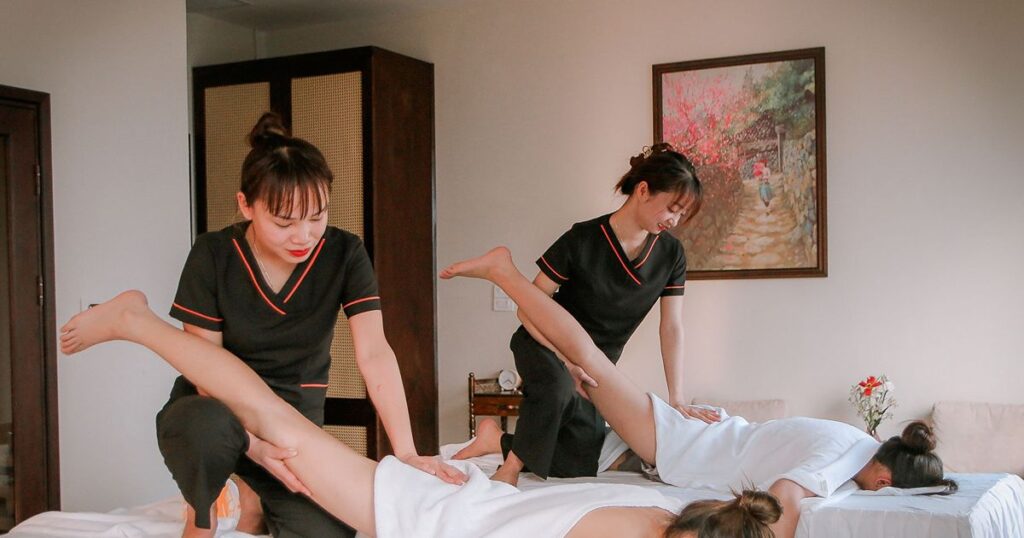
Thai Massage
Thai massage combines assisted stretching with rhythmic pressure.
Benefits include:
- Improved flexibility
- Enhanced range of motion
- Better posture
- Increased mobility
It is especially popular among active individuals.
Sports Massage
Designed specifically for physically active people.
Sports massage can be performed:
- Before exercise
- After training
- During rehabilitation
- Between competitions
It focuses on preventing injuries while supporting recovery.
Who Can Benefit from Recovery Massage?
Massage is beneficial for many lifestyles, not only athletes.
It is particularly suitable for:
- Office workers
- Business travelers
- Runners
- Cyclists
- Gym members
- Tennis players
- Golfers
- Yoga practitioners
- Seniors
- Individuals experiencing daily muscle fatigue
Anyone dealing with muscular tension can potentially benefit from regular massage sessions.
Why Home Massage Makes Recovery Easier
Home massage services have transformed the wellness experience.
Instead of spending time in traffic or waiting at a spa, clients can recover in their own comfortable environment.
Key advantages include:
Maximum Comfort
Your body stays relaxed before and after the session without the need to travel.
Time Saving
Busy professionals can schedule appointments around work, family, or travel commitments.
Personalized Experience
Professional therapists can adapt pressure, techniques, and session duration according to your recovery goals.
Better Post-Massage Rest
One of the greatest benefits of home massage is the ability to continue resting immediately after treatment, supporting the body’s recovery process.
How Often Should You Get a Recovery Massage?
Frequency depends on your activity level.
General recommendations include:
- Professional athletes: 1–2 sessions per week
- Regular gym users: every 1–2 weeks
- Office workers: every 2–4 weeks
- Individuals with chronic muscle tension: based on professional advice and personal comfort
Consistency often provides better long-term results than occasional sessions.

Tips to Maximize Muscle Recovery
Massage works best when combined with healthy habits.
To enhance recovery:
- Drink plenty of water.
- Get adequate sleep.
- Stretch regularly.
- Eat a balanced diet with sufficient protein.
- Avoid overtraining.
- Follow a consistent exercise routine.
- Listen to your body’s recovery needs.
These habits complement massage therapy and support overall well-being.
Professional Home Massage in Hanoi
If you’re looking for convenient and professional massage services in Hanoi, Hanoi Home Massage offers wellness treatments delivered directly to your home, apartment, or hotel.
Their professional therapists provide personalized massage sessions designed to help clients:
- Relieve muscle tension
- Reduce daily stress
- Improve flexibility
- Promote relaxation
- Support post-exercise recovery
Appointments can be scheduled easily through the website or by contacting the customer support team. The service emphasizes transparent pricing, convenient booking, and professional in-home wellness care.
Website: http://hanoihomemassage.com
Hotline: 0877 363 626
Final Thoughts
Muscle recovery is an essential part of maintaining an active and healthy lifestyle. Whether you’re recovering from an intense workout, dealing with everyday muscle tension, or simply looking to relax after a demanding day, massage therapy can play a valuable role in supporting your overall well-being.
Professional home massage offers the added convenience of receiving high-quality care without leaving your home or hotel. Combined with proper hydration, nutrition, stretching, and rest, regular massage can help improve flexibility, reduce muscle discomfort, and promote faster recovery.
By choosing experienced therapists and making recovery part of your wellness routine, you can keep your body performing at its best while enjoying greater comfort and relaxation every day.
