
News
What Makes a Great Massage Therapist? 10 Qualities That Set Professionals Apart

Massage therapy is more than just a relaxing experience. It is a skillful practice that combines knowledge of the human body, communication, empathy, and technical expertise to improve a client’s physical and mental well-being. Whether someone is seeking relief from chronic pain, stress reduction, muscle recovery, or simply a moment of relaxation, the quality of the massage therapist can significantly impact the overall experience and results.
With the growing popularity of wellness services, clients today have more options than ever before. However, not all massage therapists provide the same level of care and professionalism. So what exactly makes a great massage therapist?
In this article, we’ll explore the essential qualities, skills, and characteristics that distinguish exceptional massage therapists from average practitioners.
Why Choosing the Right Massage Therapist Matters
A massage session is a highly personal experience. Clients place their trust in therapists to help relieve discomfort, improve mobility, reduce stress, and support overall wellness.
A skilled therapist does much more than perform massage techniques. They assess each client’s needs, adapt treatments accordingly, communicate effectively, and create a comfortable environment that promotes healing.
The right therapist can help clients achieve long-term health benefits, while an inexperienced or inattentive therapist may fail to address underlying concerns.
1. Strong Knowledge of Human Anatomy and Physiology
One of the most important qualities of a great massage therapist is a deep understanding of anatomy and physiology.
The human body is complex. Muscles, tendons, ligaments, joints, nerves, and connective tissues all work together. An excellent therapist understands how these systems interact and how specific techniques affect the body.
This knowledge allows therapists to:
- Identify areas of tension and dysfunction.
- Understand pain referral patterns.
- Avoid sensitive or injured areas.
- Customize treatments safely and effectively.
- Support rehabilitation and recovery.
Clients often feel more confident when their therapist can clearly explain why certain muscles are tight and how treatment may help.
2. Excellent Communication Skills
Communication is often overlooked but plays a crucial role in massage therapy.
A great therapist listens carefully before the session begins. They ask questions about:
- Current pain or discomfort.
- Medical history.
- Previous injuries.
- Lifestyle habits.
- Treatment goals.
During the massage, they check in regularly regarding pressure levels and comfort.
After the session, they may provide recommendations for stretching, hydration, posture improvement, or future treatments.
Good communication helps build trust and ensures the client receives the most appropriate care possible.

3. Professionalism and Reliability
Professionalism is a hallmark of every outstanding massage therapist.
Clients appreciate therapists who:
- Arrive on time.
- Maintain cleanliness.
- Respect privacy.
- Follow ethical guidelines.
- Keep client information confidential.
- Present themselves professionally.
Reliability creates confidence and encourages long-term relationships between therapists and clients.
Professional therapists understand that every interaction contributes to the client’s overall experience.
4. Exceptional Technical Skills
Technical expertise is naturally one of the most critical factors in massage therapy.
Great massage therapists master a variety of techniques, including:
Swedish Massage
Ideal for relaxation and stress relief.
Deep Tissue Massage
Targets deeper muscle layers and chronic tension.
Sports Massage
Supports athletic recovery and injury prevention.
Trigger Point Therapy
Addresses localized areas of muscle tightness.
Stretching Techniques
Improves flexibility and mobility.
Rather than applying the same routine to every client, skilled therapists adapt techniques based on individual needs and desired outcomes.

5. Empathy and Compassion
Massage therapy involves direct interaction with people experiencing pain, stress, anxiety, fatigue, or emotional challenges.
A great therapist genuinely cares about their clients’ well-being.
Empathy allows therapists to:
- Understand client concerns.
- Create emotional comfort.
- Build stronger connections.
- Deliver a more personalized experience.
Many clients remember how a therapist made them feel just as much as they remember the massage itself.
Compassion transforms a standard treatment into a meaningful wellness experience.
6. Strong Observation Skills
Experienced therapists pay close attention to subtle details.
They notice:
- Postural imbalances.
- Restricted movement.
- Muscle asymmetry.
- Areas of inflammation.
- Stress-related tension patterns.
Observation helps therapists identify potential issues that clients may not even realize exist.
For example, recurring neck pain may actually originate from poor posture, shoulder tension, or repetitive work habits.
By recognizing these patterns, therapists can create more effective treatment plans.
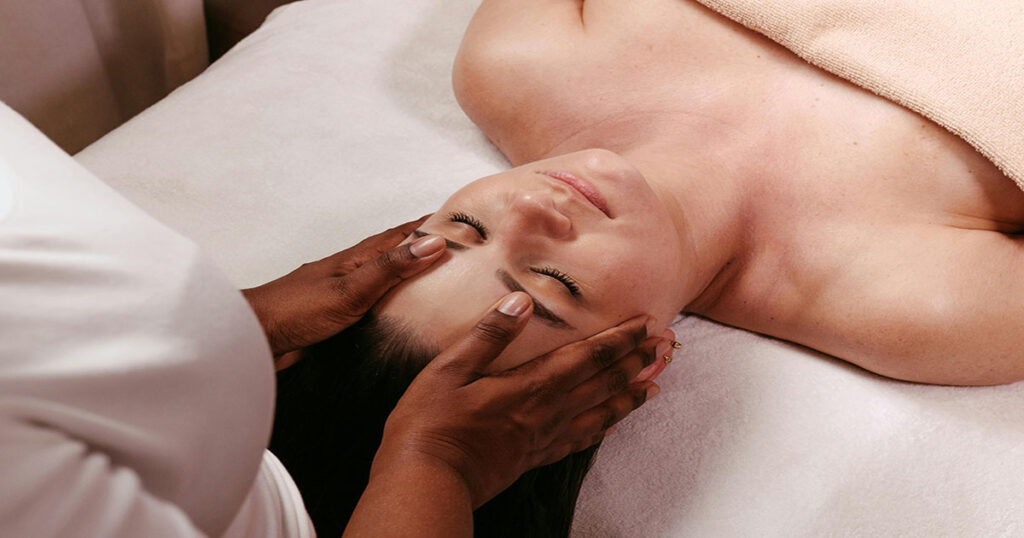
7. Ability to Personalize Every Session
No two clients are exactly alike.
A great massage therapist understands that every body responds differently.
Factors that influence treatment include:
- Age.
- Activity level.
- Occupation.
- Medical conditions.
- Pain tolerance.
- Wellness goals.
Personalization is often what separates average therapists from exceptional ones.
Clients seeking relaxation require a different approach than athletes recovering from intense training or office workers suffering from chronic neck tension.
Customizing each session ensures better results and higher client satisfaction.
8. Continuous Learning and Professional Development
The health and wellness industry constantly evolves.
New research, techniques, and therapeutic approaches emerge regularly.
Outstanding massage therapists never stop learning.
They invest in:
- Advanced certifications.
- Continuing education courses.
- Specialized workshops.
- Industry conferences.
- New treatment modalities.
A commitment to learning demonstrates dedication to excellence and ensures clients receive the most effective care available.
9. Physical Stamina and Self-Care
Massage therapy can be physically demanding.
Therapists often spend several hours each day standing, applying pressure, and performing repetitive movements.
Great therapists maintain their own health through:
- Regular exercise.
- Proper body mechanics.
- Stretching routines.
- Healthy nutrition.
- Adequate rest.
Therapists who care for their own bodies are better equipped to provide consistent, high-quality treatments for clients.
10. Creating a Relaxing and Safe Environment
The environment plays a major role in the massage experience.
An exceptional therapist understands how to create a setting that promotes relaxation and trust.
This includes:
- Clean treatment areas.
- Fresh linens.
- Comfortable room temperature.
- Calm atmosphere.
- Professional presentation.
- Respectful interactions.
Clients should feel safe, comfortable, and welcomed from the moment they arrive until the session ends.
A positive environment enhances both the physical and psychological benefits of massage therapy.
Signs You’ve Found a Great Massage Therapist
How can clients identify an excellent massage therapist?
Here are some common indicators:
They Listen Carefully
They take time to understand your concerns and goals before beginning treatment.
They Explain Their Approach
They clearly communicate what techniques they plan to use and why.
They Adjust Based on Feedback
Pressure, technique, and focus areas are modified according to your preferences.
You Notice Results
Whether it’s reduced pain, better mobility, improved sleep, or lower stress levels, effective therapy should produce noticeable benefits.
You Feel Comfortable
Trust and comfort are essential components of a successful therapeutic relationship.
Common Mistakes Less Experienced Therapists Make
Understanding what makes a therapist great also involves recognizing common shortcomings.
Some less experienced therapists may:
- Use identical routines for every client.
- Ignore feedback during sessions.
- Apply excessive pressure unnecessarily.
- Fail to communicate effectively.
- Lack understanding of anatomy.
- Overlook client comfort.
These issues can reduce treatment effectiveness and negatively impact the overall experience.
The Growing Demand for Professional Home Massage Services
Modern lifestyles are busier than ever. Many people prefer receiving massage treatments in the comfort of their homes rather than traveling to a spa or clinic.
Home massage services offer:
- Greater convenience.
- Time savings.
- Enhanced comfort.
- Personalized attention.
- Flexible scheduling.
However, the quality of the therapist remains the most important factor regardless of location.
Professional home massage therapists bring the same expertise, equipment, and therapeutic benefits directly to the client’s residence.
Experience Professional Massage Care with Hanoi Home Massage
At Hanoi Home Massage, we believe that exceptional massage therapy begins with exceptional therapists.
Our team is carefully selected based on professional qualifications, experience, technical expertise, and commitment to client satisfaction.
We provide personalized treatments designed to address:
- Stress and anxiety.
- Muscle tension.
- Neck and shoulder pain.
- Back discomfort.
- Fatigue and recovery needs.
- General wellness and relaxation.
Whether you’re looking for a relaxing massage after a long workday or targeted therapeutic treatment, our experienced therapists are dedicated to helping you feel your best.
Contact Hanoi Home Massage
Website: hanoihomemassage.com
Hotline: 0877 363 626
Book your appointment today and experience the difference that a truly professional massage therapist can make.
Conclusion
A great massage therapist combines technical skill, anatomical knowledge, communication, professionalism, empathy, and a genuine commitment to client well-being.
While massage techniques are important, the best therapists go beyond the physical treatment itself. They listen carefully, personalize every session, continuously improve their skills, and create an environment where clients feel comfortable and cared for.
Whether you’re seeking pain relief, stress management, athletic recovery, or relaxation, choosing the right therapist can significantly enhance your results and overall experience.
When these qualities come together, massage becomes much more than a luxury—it becomes a valuable tool for long-term health and wellness.
